A slatted wall can change the feel of a plain room in an afternoon, but slatted wall reviews are only useful when they tell you what happened after the panels came out of the box. A five-star comment about appearance is encouraging. Details on finish consistency, cutting, fitting and delivery are what help you choose with confidence.
For a living-room feature wall, bedroom backdrop or media-wall project, the right panels should look considered without creating a complicated building job. Here is how to read feedback properly, separate genuine product strengths from personal preference, and decide whether slatted panels suit your space.
What slatted wall reviews should tell you
The most helpful reviews go beyond phrases such as “looks lovely” or “great quality”. Look for evidence that the buyer completed a similar project to yours. Someone fitting a small bedroom wall may care most about easy cutting and a warm wood-effect finish. A homeowner creating a full media wall may be more interested in panel alignment, cable access and how the black felt backing looks around a mounted TV.
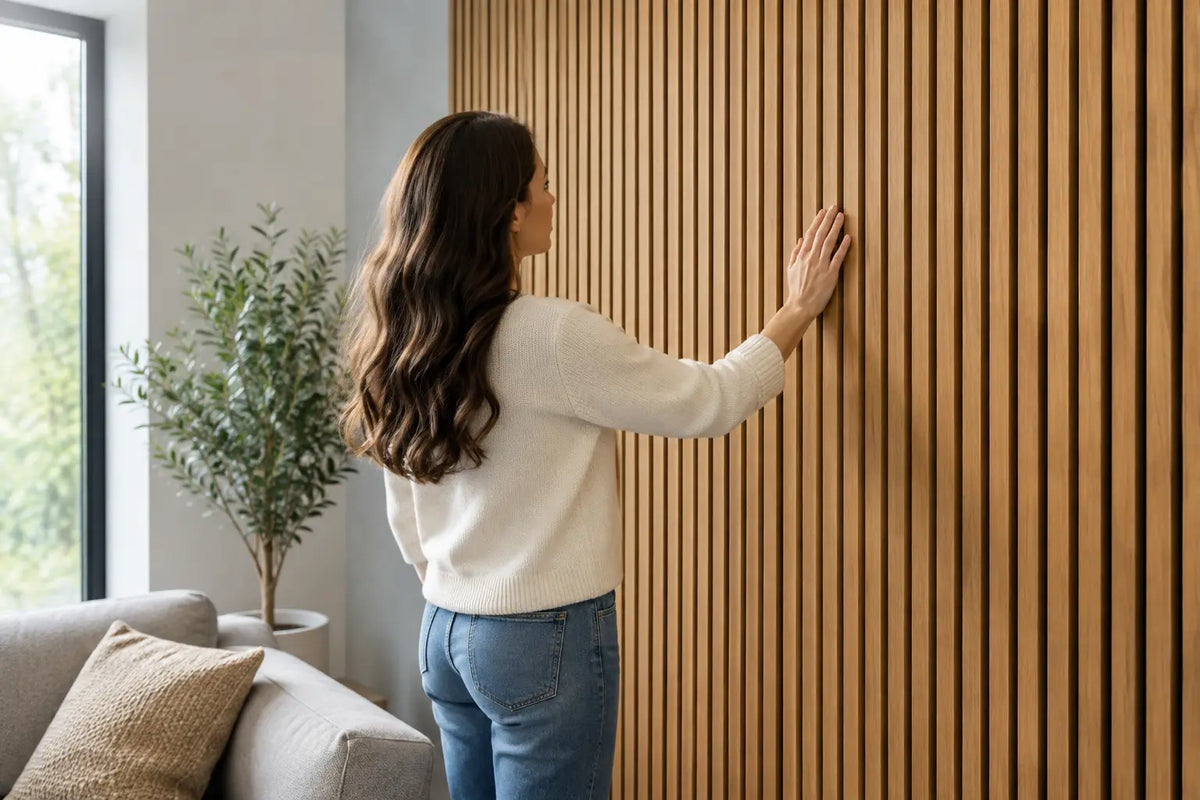
Photos are particularly valuable. They show how a colour performs under real household lighting rather than studio lighting. Oak-effect finishes, for example, can appear warmer in a south-facing room and more muted beside cool-grey paint. A good review may also reveal whether the panels have been fitted vertically or horizontally, and whether trims have been used to finish exposed edges.
Pay attention to repeated comments, not one isolated opinion. If several customers mention clean cuts, straightforward fitting or an accurate finish, that is more meaningful than a single short review. The same applies to concerns. Repeated reports of damaged corners, unclear measurements or difficult delivery deserve a closer look before you order.
Look beyond the finished photograph
A striking before-and-after image is useful, but it cannot tell the full story. Review the panel specification alongside customer feedback, especially if you are comparing products from different sellers. Two panels can look almost identical online while having different dimensions, backing materials, slat depth and installation requirements.
Finish and material matter
Many interior slatted panels use an MDF core with a decorative wood-effect surface, fixed to acoustic felt. This construction creates the familiar linear look and can help soften reflections within a room. It is not the same as solid timber cladding, and that is often a benefit for DIY projects: panels are usually more consistent in appearance, easier to plan and lower maintenance.
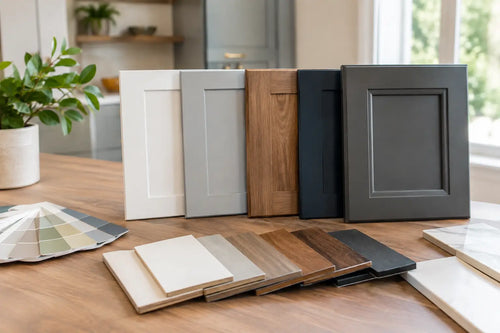
That said, no wood-effect finish should be chosen solely from a tiny screen image. Order with the room’s existing flooring, doors, paint and furniture in mind. Consider whether you want a pale Scandinavian-style look, a mid-tone oak that brings warmth, or a darker walnut effect for contrast. Reviews with unfiltered customer photos can help set realistic expectations.
Acoustic claims need context
The word “acoustic” can raise expectations that panels will make a busy household silent. They will not stop sound travelling through thin internal walls, nor replace proper soundproofing where that is the goal. Their role is usually to reduce some echo and harshness within the room, particularly on a large, hard wall.
For a lounge with bare floors, a home office or a media-wall area, that subtle improvement can be worthwhile. In a carpeted bedroom with curtains and soft furnishings, the difference may be less noticeable. Reviews that explain the room type give far more useful context than blanket claims about sound reduction.
Sizing is where good projects are won
Read reviews for practical clues about measurements. Check the panel height and width, then measure your wall at more than one point. Older homes are rarely perfectly square, and alcoves can vary from top to bottom. Plan how many panels you need before ordering, allowing for cuts and any border or trim detail.
A reviewer who says “one panel was left over” is not necessarily reporting a problem. It may simply reflect their wall width or the way they centred the design. Your own layout should determine your quantity. For wide feature walls, decide whether you want a full panel centred on the room, a symmetrical cut at both edges, or a practical full-panel start from one side.
Fitting feedback: the details worth finding
Slatted wall panels are designed to make a high-impact finish achievable for capable DIYers. Still, fitting is only low-fuss when the wall is prepared and the right accessories are ready before you begin.
Useful reviews often mention whether panels were cut with a fine-tooth saw, how the felt behaved during trimming, and whether adhesive, screws or both were used. The best fixing method depends on the wall surface and whether you may want to remove the panels in future. A sound, clean plastered wall may suit a suitable grab adhesive. Uneven surfaces, stud walls and panels around TV mounts can call for additional mechanical fixing.
Do not treat a reviewer’s method as a universal instruction. Their wall may have been brick, plasterboard or timber, and their room may not have the same damp or heat conditions as yours. Always follow the product guidance and choose fixings suitable for the substrate.
Before fitting, clear the wall of loose paint, dust and protruding fixings. Mark a level starting line rather than relying on a skirting board or ceiling that may be slightly out. Dry-position the first panel, check its alignment, then continue steadily. One carefully placed first panel makes every panel after it easier.
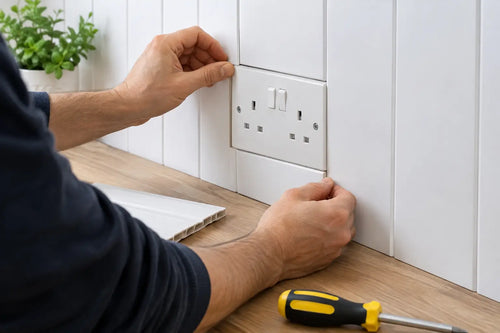
For media walls, plan sockets, cable routes and brackets in advance. Panels look best when cables are hidden, but access should remain practical. Never rely on decorative wall panels to support the weight of a television. The bracket must be fixed securely to the appropriate structure behind it.
Service reviews matter too
The product is only half the purchase. When reading slatted wall reviews, look for comments on how a retailer handles the practical parts: clear dispatch communication, protective packaging, responsive support and a straightforward route to resolving an issue.
Large panels are awkward items to transport, so inspect every delivery before cutting or fitting. Check quantities, finishes and visible corners as soon as possible. Photograph any transit damage and keep the packaging until you are satisfied the order is complete. This is not pessimism - it is the simplest way to protect your project timetable.
It is also worth checking delivery coverage, returns conditions and warranty information before you buy. For example, a return policy may apply only to unused items in resalable condition. Once a panel has been cut, it is unlikely to be suitable for return unless there is a manufacturing fault. Accurate measuring and a final layout check prevent costly over-ordering.
Home Hub Direct supports customers across England, Scotland and Wales with product guidance, a free installation guide and UK-based text and WhatsApp support. That reassurance can be especially useful when you are choosing a finish online or fitting panels for the first time.
Reviews to read with a little caution
Not every negative review means the product is poor, and not every glowing review means it is the right choice for your home. A complaint that panels were “too dark” may come down to screen settings or room lighting. A customer disappointed by sound reduction may have expected soundproofing rather than improved room acoustics.
Equally, avoid dismissing negative feedback altogether. Read it for specifics. Was the item damaged in transit? Did the buyer order the wrong amount? Were the installation instructions ignored? A detailed response from the retailer can be revealing too, particularly where it explains how an issue was resolved.
Use reviews as part of a wider decision, alongside product dimensions, material details, installation guidance and your own room plan. They are a source of lived experience, not a substitute for checking whether the panel will work on your wall.
A quick decision check before ordering
Before adding panels to your basket, make sure you can answer these questions:
- Does the finish work with the lighting and existing colours in your room?
- Have you measured the full wall, including alcoves, sockets and obstructions?
- Is your wall clean, sound and suitable for your chosen fixing method?
- Do you need trims, adhesive, screws or tools to create a neat edge?
- Are you expecting an acoustic improvement within the room, rather than full soundproofing?