A finish can make the same wall panel feel calm and considered, warm and characterful, or darker than you expected. This choosing panel finishes guide helps you make that call before ordering, so your feature wall, hallway refresh or garden project looks right from the first fitting.
The best choice is rarely just the finish you like most on screen. It is the one that works with your room’s light, proportions, existing colours and day-to-day demands. Start there and your project will feel more polished, whether you are updating one alcove or planning a full media wall.
Choosing panel finishes: start with the room
Think about how the space is used before narrowing down colours. A bedroom wall behind the bed can carry a deeper, more atmospheric wood-look finish because it is usually viewed from a relaxed distance. A narrow hallway, by contrast, often benefits from lighter tones that keep the route through the home feeling open.
Living rooms are more flexible. Mid-toned oak effects bring warmth without making the room feel enclosed, while darker walnut-inspired finishes can give a media wall a more tailored, high-end look. If your television and fireplace are both dark, a medium or lighter panel finish creates welcome contrast around them.
In bathrooms, cloakrooms and utility spaces, practical wall boards in pale stone, soft grey or clean marble-effect finishes can brighten an area while keeping maintenance straightforward. For an outdoor wall, fencing or decking project, consider how the finish will sit against brickwork, paving, planting and garden furniture rather than choosing it in isolation.
A useful rule is simple: use lighter finishes to visually lift compact or low-light spaces, and reserve deeper finishes for rooms with enough natural light, open floor area or a deliberate cosy brief.
Check the light before you commit
Lighting changes finishes more than most people expect. The same oak-look panel may appear honey-toned in a south-facing room and noticeably cooler in a north-facing one. Grey and charcoal finishes can be especially sensitive, sometimes reading blue, green or almost black depending on the surrounding light.
Look at your chosen wall at different times of day. Also consider the bulbs you use after dark. Warm-white lighting generally brings out the richness in timber-look slats and brown undertones, while cooler lighting can make pale greys and white marble effects feel crisper.
If you are fitting panels behind a television, test the impact of both daylight and the screen when it is on. A very glossy or strongly veined finish may compete with the focal point. A more muted texture often gives the media wall definition without visual noise.
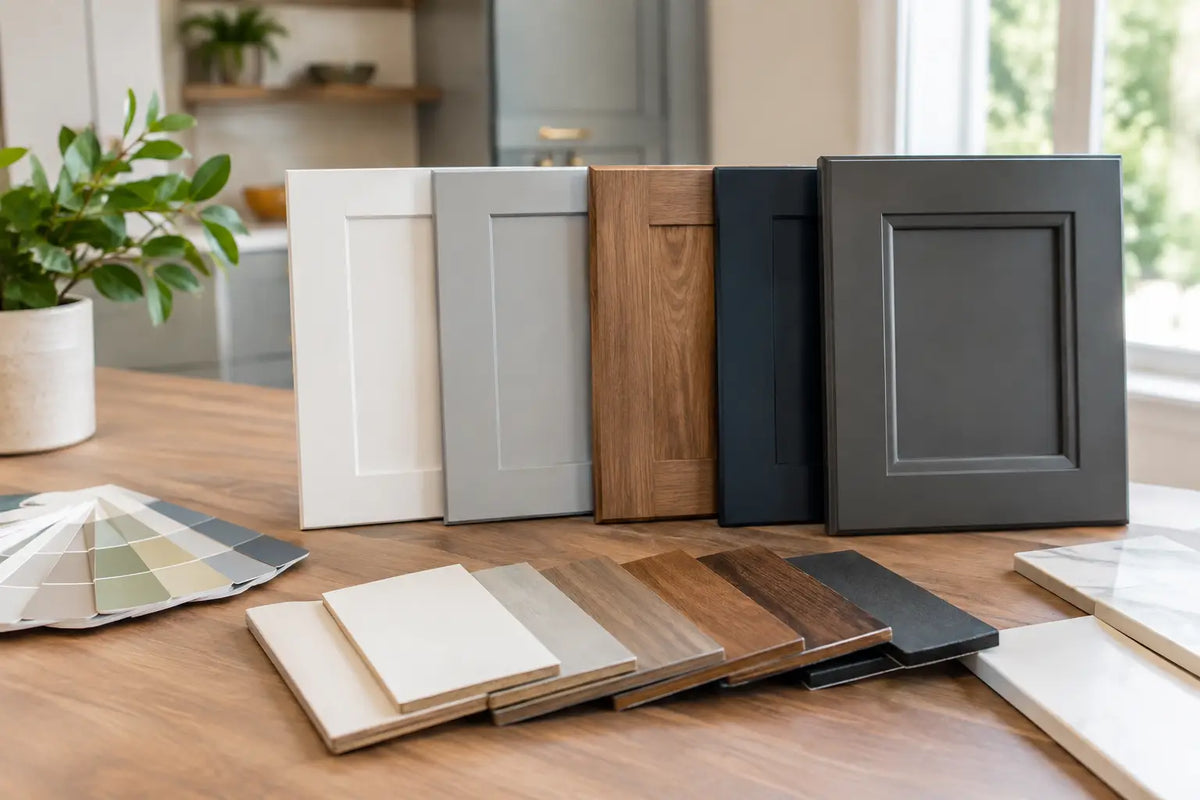
Do not rely on a single product image as an exact colour match. Screens vary, and room lighting is personal. Compare finish images with your flooring, sofa fabric, paint swatches and curtains where possible. Ordering enough material from the same batch for one project is also sensible, as subtle variation can occur between production runs.
Match texture to the look you want
Colour sets the mood, but texture gives a wall its depth. This is where panels can turn a plain surface into a design feature without the mess associated with traditional timber cladding, plasterwork or tiled walls.
Wood-look slatted finishes
Acoustic slatted wall panels are a natural choice when you want warmth, rhythm and a modern architectural feel. Lighter oak-look finishes suit Scandinavian-inspired rooms, soft neutrals and pale flooring. They are also a strong option for bedrooms and home offices, where you want the wall to feel inviting rather than overly formal.
Darker wood-look slats create greater contrast and work particularly well with deep green, navy, charcoal and off-white walls. Use them for a defined media-wall zone, a dining area or an entrance wall where you want immediate impact. The trade-off is that dark finishes absorb more light, so they need a little more space or thoughtful lighting to avoid feeling heavy.
Pay attention to the backing colour too. A dark felt backing creates clear shadow lines between the slats and gives the wall a more dramatic finish. It can be the detail that makes a panelled wall look intentional rather than simply decorative.
Smooth stone, marble and tile-effect finishes
PVC wall boards and ceiling panels are ideal where you want a clean, low-fuss surface with the visual appeal of stone, marble or tile. Pale marble effects can make a small bathroom or shower area feel brighter and more spacious. Grey stone styles bring a contemporary look that works well with black taps, brushed metal accessories and timber vanity units.
Veining and pattern need balance. A bold marble effect is often most effective on one main wall or in a compact space where it can be appreciated up close. If you are covering several walls, a quieter finish may feel more refined and easier to live with.
Smooth panels also pair well with busier elements elsewhere. If you have patterned floor tiles, colourful towels or detailed cabinetry, a subtle wall finish gives the room breathing space.
Composite finishes outdoors
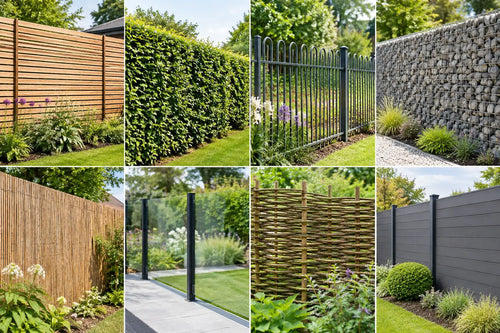
For decking, fencing and outdoor panels, choose a finish that complements the permanent features of the garden. Grey composite works well with contemporary paving and black-framed doors, while brown and natural timber shades soften red brick and established greenery.
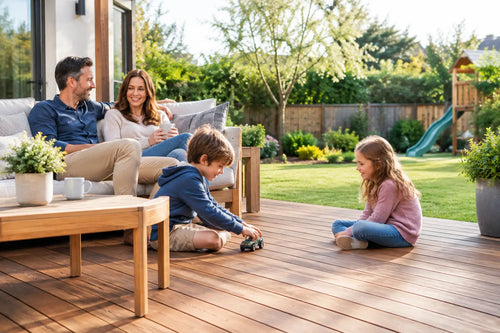
Think beyond the first sunny weekend. Dark decking can look striking, but it may show pale dust, pollen and footprints more readily than a mid-tone surface. Lighter finishes can be more forgiving visually, although any outdoor area will still benefit from regular sweeping and cleaning. The right choice depends on your garden’s exposure, trees, pets and how often the space is used.
Coordinate with what is staying
You do not need to match every finish exactly. In fact, trying to match wood tones too closely can make a room look flat. Aim for a considered relationship instead.
If your floor is pale oak, a mid- or dark-oak slatted feature wall can add contrast while staying within the same warm family. If your flooring has cool grey tones, consider charcoal, black or soft grey panels rather than an orange-toned timber effect. The same principle applies outdoors: composite fencing, decking and cladding look more cohesive when they share either a warm or cool undertone.
Metal details matter too. Black hardware usually works with almost every panel finish and gives a crisp contemporary edge. Brass and warm bronze sit beautifully with oak, walnut and cream stone effects. Chrome and brushed nickel tend to suit cooler greys, whites and marble-inspired panels.
Keep the surrounding paint simple. Warm white, soft beige, greige, charcoal and muted green are reliable partners for most premium panel finishes. If you want a bolder paint colour, use it on an adjacent wall so the panelled surface still has room to stand out.
Choose for real life, not just the reveal photo
A finish should look good after normal family life happens around it. In a busy hallway, washable, durable surfaces are often more practical than pale painted walls that scuff easily. In a rental property, a versatile neutral finish may appeal to more future tenants than a very personal shade. For a home you are preparing to sell, choose a finish that adds definition without making the space feel smaller or too trend-led.
Consider where marks, moisture and wear are likely. Wall boards are a practical option for areas exposed to splashes and frequent cleaning. Acoustic slatted panels are better suited to dry interior walls where their texture can be appreciated. Composite materials are designed for outdoor conditions, but colour choice still affects how easily everyday debris is noticed.
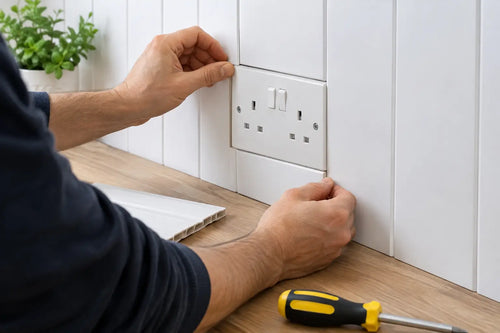
Also plan the edges. Trims, corners, end caps and finishing details have a major effect on the final result. A premium-looking panel deserves a neat transition at ceilings, skirting boards, external corners and around sockets. Measure these areas early so you can order the right accessories alongside your panels.
Create confidence with a small plan
Before placing your order, photograph the wall and note its width, height, nearby light sources and fixed features such as radiators, sockets or switches. Then decide what the panel is meant to do: add warmth, define a zone, brighten a room or reduce the visual impact of an awkward wall.
Choose one finish as the lead element and let everything else support it. This avoids a room competing with itself. If you are unsure between two options, favour the finish that works with the least change to your existing floor, furniture and lighting. It will usually give you the most convincing result for the budget.
Home Hub Direct makes premium wall and outdoor upgrades easier to plan, with DIY-friendly products and installation guidance to help you get the details right. Choose a finish that suits how you live, prepare the surface carefully, and the transformation can feel far bigger than the project itself.