Yes - acoustic wall panels reduce noise, but it is important to understand what type of noise they address. Acoustic panels absorb sound waves within a room, reducing echo, reverberation and overall noise levels inside the space. They are not the same as soundproofing - they will not block external noise from entering a room. If you want to reduce the echo in a home office, make a living room quieter or improve the acoustics of a music room, acoustic wall panels are highly effective. For blocking sound between rooms or from outside, you would need additional soundproofing materials.
What Do Acoustic Wall Panels Actually Do?
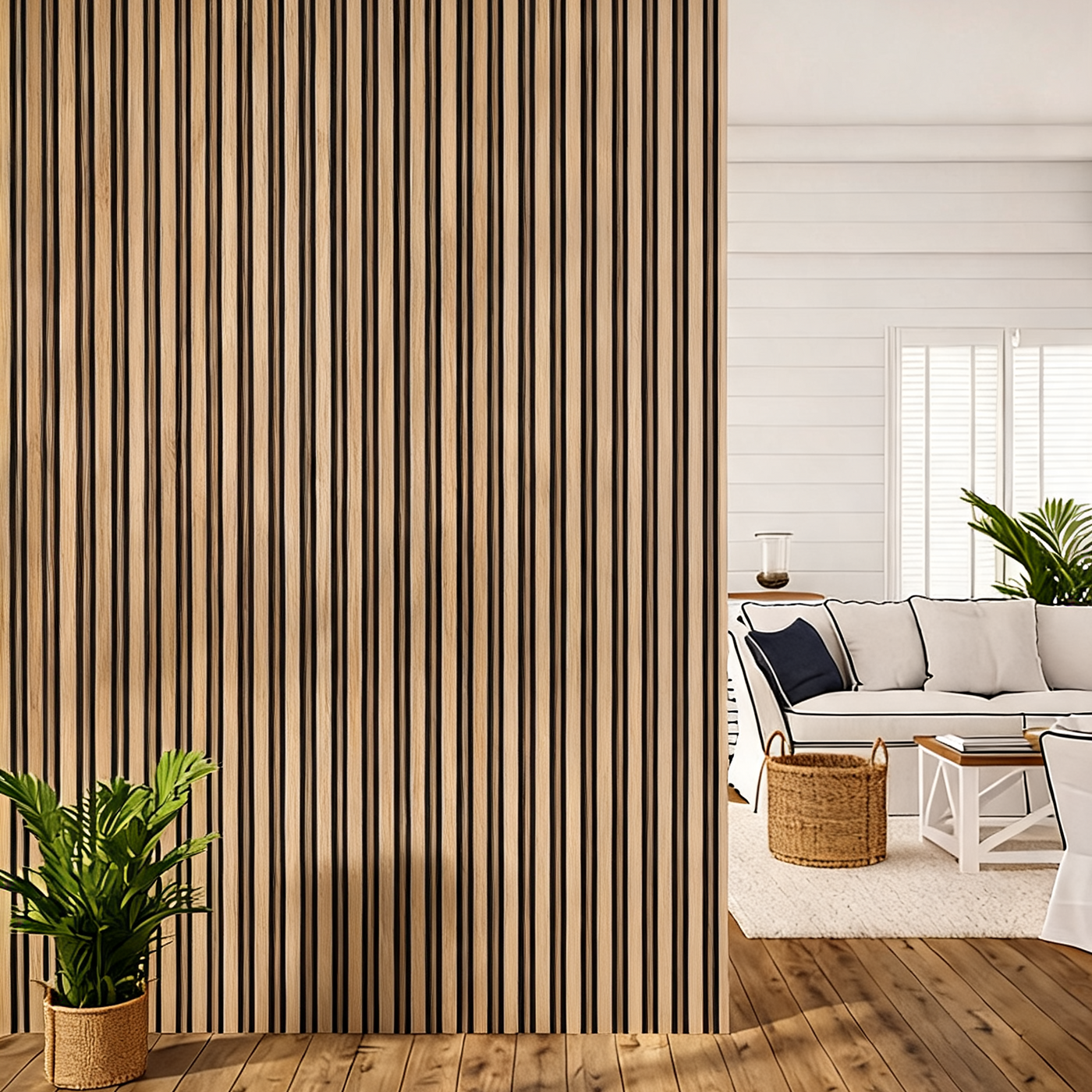
Acoustic wall panels work by absorbing sound energy rather than reflecting it back into the room. When sound waves hit a hard surface such as a bare wall or floor, they bounce back and create echo. Acoustic panels - particularly slatted wood designs with a felt or foam backing - trap those sound waves in their structure, preventing them from bouncing and accumulating.
The result is a room that feels quieter, clearer and more comfortable for conversation, work or listening to music. This is sometimes called acoustic treatment, as opposed to soundproofing.
Echo Reduction vs Soundproofing: What Is the Difference?
This is the most common source of confusion when buying acoustic panels. Here is a clear breakdown:
- Echo reduction (acoustic treatment): reduces reverberation inside a room. Acoustic wall panels do this.
- Soundproofing: blocks sound from entering or leaving a room through walls, floors and ceilings. Acoustic panels do not do this.
If your problem is that your home office sounds echoey on video calls, or your living room feels loud and harsh, acoustic treatment is the right solution. If your problem is noise from neighbours or a busy road outside, you need mass-loaded barriers and structural work, not decorative panels.
Which Rooms Benefit Most from Acoustic Wall Panels?
- Home offices: reduce echo on video calls and improve concentration
- Music rooms and home studios: create a cleaner sound environment for recording or practice
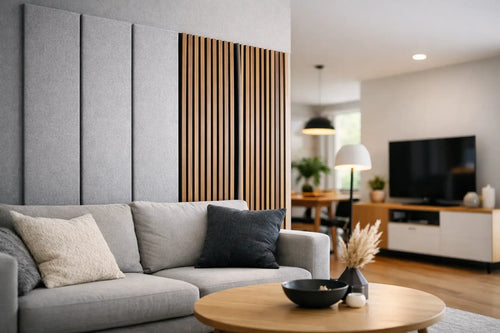
- Living rooms and open-plan spaces: large hard-surfaced rooms become noticeably quieter
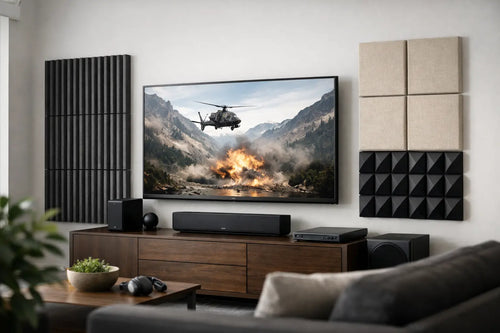
- Home cinemas: improve dialogue clarity and overall sound quality
- Restaurants and commercial spaces: reduce ambient noise to improve the dining experience
How Many Panels Do You Need to Make a Difference?
For most home rooms, covering 20 to 30 percent of the wall surface with acoustic panels is enough to make a noticeable difference. In practice, this means treating one or two feature walls rather than every surface in the room.
A good starting point is a single feature wall behind your desk or behind your sofa. This alone significantly reduces the echo in most rooms. You can always add more panels later if you want further improvement.
Acoustic Panels for Home Offices: Are They Worth It?
For anyone who works from home, acoustic wall panels are one of the most impactful upgrades you can make. The difference on video calls is immediately noticeable - voices sound cleaner, there is less background reverb, and the overall quality of audio in the room improves dramatically.
Beyond audio quality, acoustic treatment also reduces fatigue. Working in a reverberant space is genuinely tiring for the brain - reducing echo makes prolonged concentration easier.
Shop Acoustic Wall Panels
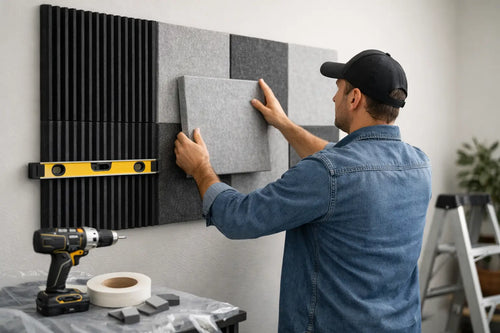
Ready to improve the acoustics in your home or office? Browse our full range of acoustic wall panels, available in black, charcoal, oak and grey finishes. Lightweight, easy to install and designed for DIY fitting - most people complete a feature wall in under two hours.
See our acoustic panel installation guide for step-by-step fitting instructions.