A small lounge feature wall can do far more than fill an empty wall. Chosen well, it gives the room a focal point, brings warmth to a compact layout and makes everyday furniture look more considered. Chosen badly, it can make the same room feel darker, narrower and busier. The difference is usually scale, finish and knowing when to stop.
For most smaller living rooms, the best feature wall is not the loudest one. It is the one that gives the eye a clear place to rest while keeping light, circulation and storage working properly.
Start with the wall that already has a purpose
The strongest candidate is often the wall behind the sofa, the chimney breast or the TV wall. These areas already draw attention, so adding a finish there feels intentional rather than decorative for decoration’s sake. A full-width wall behind a sofa can make even a simple seating arrangement feel anchored, while a panelled media wall can turn a television from an awkward black rectangle into part of a finished scheme.
Avoid automatically choosing the largest blank wall. In a narrow lounge, cladding the longest wall in a dark finish can exaggerate the room’s length and make it feel corridor-like. A shorter end wall, chimney breast or neatly framed TV zone often creates more depth with less visual weight.
Before ordering panels, stand at the entrance to the room and look at where your eye lands first. That is normally where your feature belongs. Also check practical details: plug sockets, radiators, doors that open into the room and where you need to position the sofa. A premium result comes from planning around the room, not trying to disguise its limitations.
Small lounge feature wall finishes that work
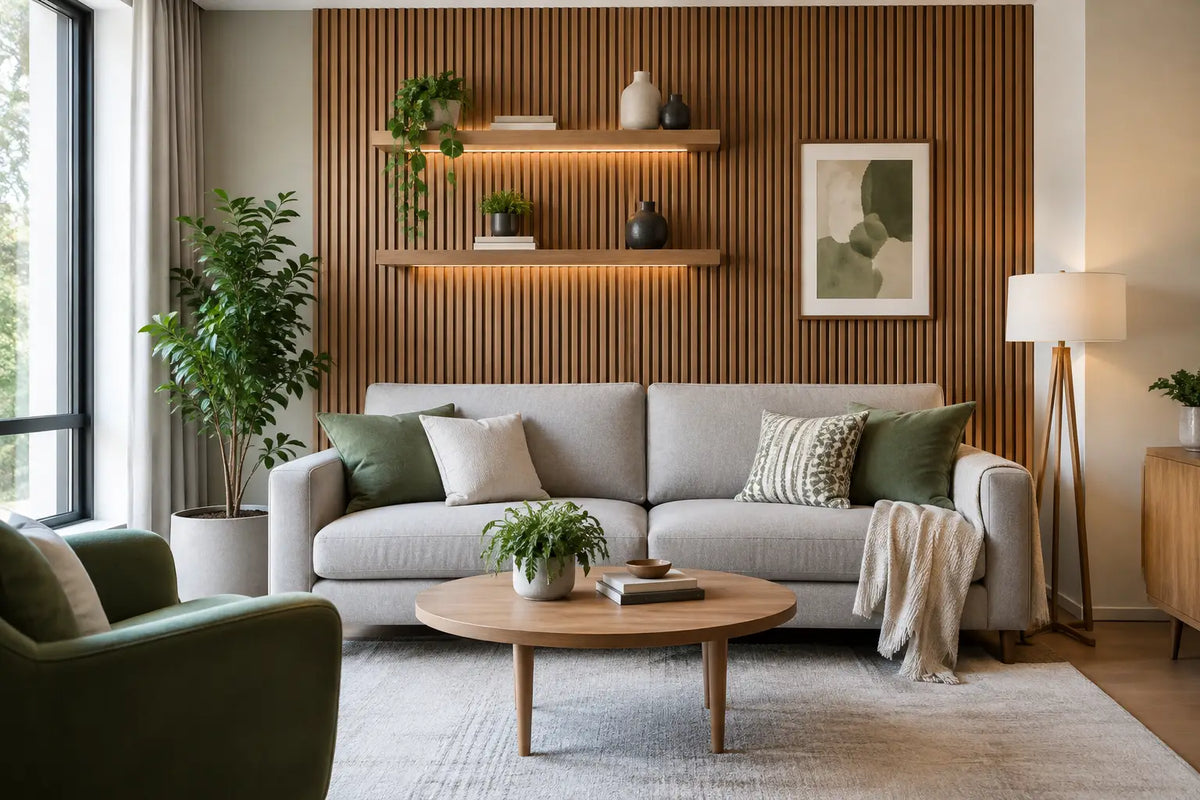
Acoustic slatted wall panels are especially effective in compact lounges because their vertical lines introduce height without needing a bulky structure. A warm oak-look finish brings softness to grey, cream, stone and off-white interiors, while darker walnut-style tones create a more tailored, evening-ready look.
In a room with low ceilings, run slats vertically from floor to ceiling. The repeated upward line helps the wall appear taller and more architectural. If the ceiling is high but the room feels cold, stop the treatment at dado height or use panels only behind the sofa to retain a cosier scale.
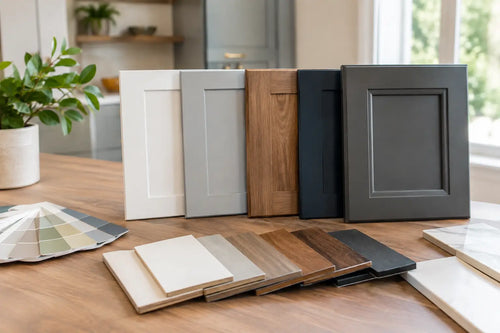
Colour matters as much as texture. Light oak, soft walnut and muted neutral backings tend to be forgiving in lounges with limited daylight. Charcoal or black-backed panels can look striking, particularly behind a TV, but they need balance. Pair them with pale surrounding walls, warm lamps and lighter furniture so the scheme feels deliberate rather than enclosed.
PVC wall boards offer another practical route where a clean, low-maintenance surface is the priority. They can create a polished stone, marble or contemporary finish without the mess and weight associated with traditional materials. In a small lounge, use a subtle pattern rather than a high-contrast design that competes with cushions, artwork and shelves.
Match the finish to the room’s natural light
A north-facing lounge usually benefits from warmth. Natural wood tones, creamy paint and soft brass or black accents can make the room feel more welcoming, especially during darker months. South-facing rooms can carry deeper timber shades and more dramatic contrasts because they receive stronger daylight.
It depends on how you use the space, too. If it is mainly a family room, a mid-tone wood-look finish can hide the everyday visual noise of toys, throws and charging leads better than a stark white wall. If it is a more formal sitting room, a darker, more refined panel finish may suit the atmosphere you want to create.
Keep the design slim, not overbuilt
Small spaces rarely need a deep false wall. A shallow panelled treatment gives you the same visual impact without giving away valuable floor area. This is particularly useful in terraces, new-build homes and flats where the seating layout is already tight.
If you are creating a TV feature wall, mount the screen neatly and keep any cabinetry low-profile. Floating units or slim media cabinets leave more visible floor beneath them, which makes the lounge feel less crowded. Plan cable routes before fitting panels so you do not have to cut into a finished surface later.
Shelving can work, but restraint is key. One or two narrow shelves with a few well-chosen objects will feel calmer than a fully built-out display wall. A small lounge benefits from negative space. Let the texture of the panels do some of the visual work rather than filling every available gap with ornaments.
A fireplace can also sit comfortably within a panelled wall, but proportions matter. Choose a compact electric fire and leave enough clear wall around it. A wide fire, deep hearth and heavy surround can dominate a modest room before the feature wall has a chance to add character.
Use lighting to add depth after dark
Lighting is what takes a feature wall from attractive in daylight to genuinely inviting in the evening. Wall lights, a nearby floor lamp or carefully placed warm LEDs can pick up the depth of slatted panels and create gentle shadow lines. Aim for warm white light rather than a harsh cool tone, which can make timber finishes look flat.
For a media-wall setup, concealed LED lighting behind the television or along a shelf can define the area without adding clutter. Keep it subtle. Bright colour-changing strips may suit a gaming space, but they can quickly date a lounge intended for relaxing, entertaining or watching films with the family.
Use lighting as a layer, not the main event. The wall should still look good with the lights off. If the design only works when LEDs are switched on, simplify the finish or reconsider the contrast.
Make panels look fitted, not simply attached
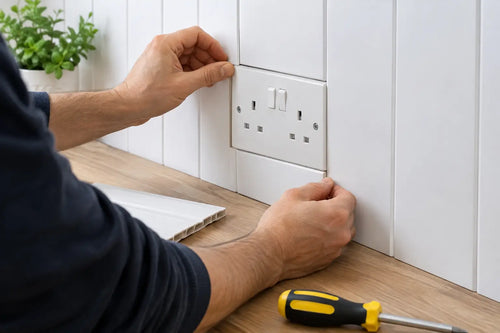
The details at the edges are what make a DIY project look professionally finished. Measure the wall at several points, as older properties are rarely perfectly square. Allow for skirting boards, coving, sockets and any uneven areas before deciding where your first panel will sit.
A centred layout is usually the safest choice behind a sofa or television. Work out the width of the feature zone, mark the middle, then plan your panel cuts evenly at either side. This prevents one narrow, awkward-looking strip from becoming the first thing you notice.
Use appropriate adhesive and finishing trims where required, and follow the installation guidance supplied with your panels. A clean, secure fit is more valuable than rushing to complete the job in an afternoon. Home Hub Direct provides a free installation guide with every order, making the process more approachable whether this is your first wall-panel project or your fifth.
If you rent, check your tenancy agreement before fitting anything permanent. Some landlords are happy with decorative upgrades but may require written permission, particularly where adhesive is involved. Removable furnishings, freestanding lighting and a carefully planned panelled section can still help you achieve a more personal lounge without creating a difficult move-out job.
Style around the feature wall, not against it
Once the wall is finished, edit the rest of the room. Repeat one or two tones from the feature in cushions, a rug, a side table or curtain fabric. For example, black-backed oak slats can be tied together with a black floor lamp and a neutral textured rug. You do not need matching furniture throughout - small references are enough to make the scheme feel connected.
Keep larger pieces quieter. A feature wall has already introduced texture and contrast, so choose a sofa in a plain fabric and avoid competing prints directly opposite it. In a small lounge, one patterned cushion or a single piece of artwork can be more effective than a collection of unrelated accessories.
Mirrors can help where daylight is limited, but place them with care. Positioning one on the wall opposite a window can bounce light further into the room. Avoid placing a mirror where it reflects a television, laundry pile or the busiest part of the lounge. It will double whatever is already there.
The right feature wall should make a small lounge feel more like your favourite room, not a showroom you have to keep pristine. Choose a finish you will enjoy seeing every day, give it enough room to stand out and let the rest of the space breathe.