A bathroom refresh can quickly become expensive once tiles, grout, backer boards and labour enter the picture. That is why PVC panels versus shower boards is a useful comparison before you choose a finish. Both can create a smart, low-maintenance bathroom with far less mess than tiling, but they suit different budgets, spaces and expectations.
The right choice is not simply about which looks best in a sample. Think about where the panels will be fitted, how much water they will face, the condition of the existing walls and whether you want a quick DIY update or a more substantial long-term renovation.
What is the difference between PVC panels and shower boards?
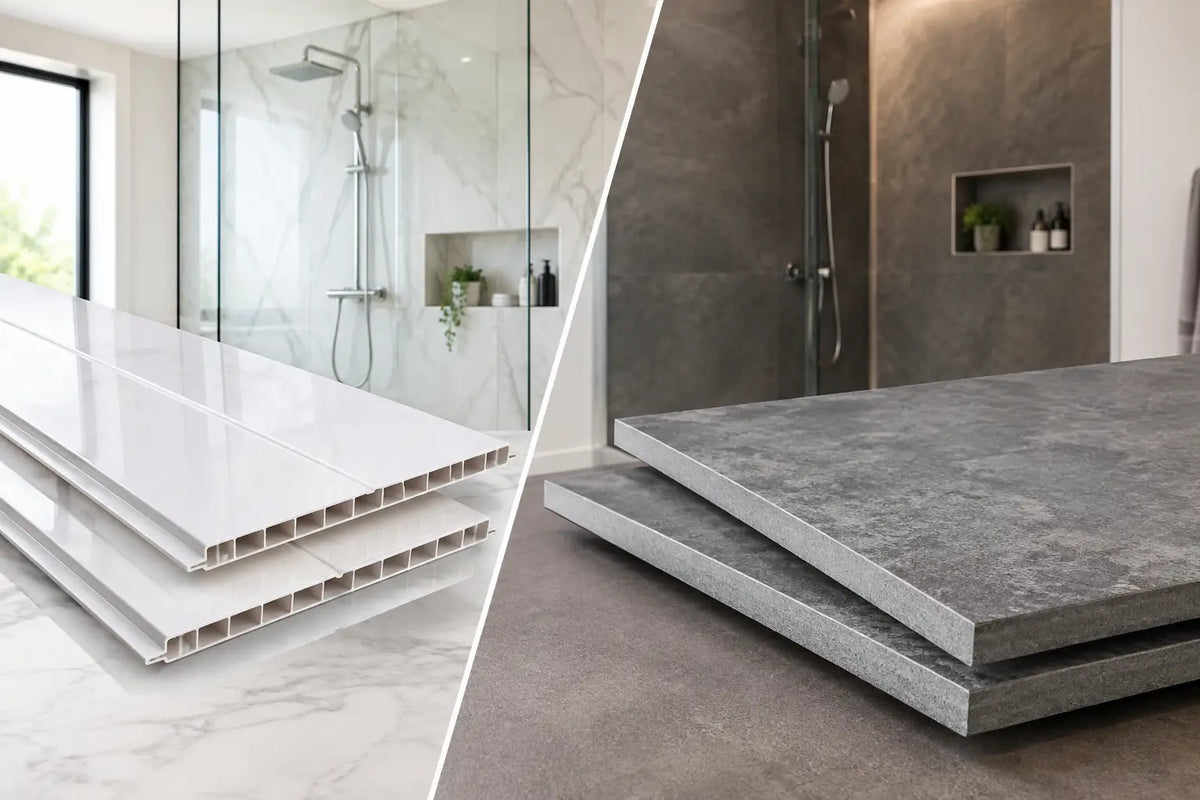
PVC wall panels are lightweight plastic panels, commonly supplied with tongue-and-groove edges. They are designed to cover walls and ceilings quickly, creating a wipe-clean surface with minimal joins. Many feature marble, stone, tile-effect or plain gloss finishes, so they can give a bathroom a clean new look without removing old tiles or replastering uneven walls.
Shower boards, also called shower wall panels or bathroom wall boards, are usually larger, more rigid sheets. Their construction varies by range, but they are often made with a waterproof core and a decorative surface layer. They are intended for wet areas, including shower enclosures, where a broad, continuous panel and fewer joints are a real advantage.
The terminology can overlap. Some retailers use “shower panels” for PVC products, while others reserve “shower boards” for solid, large-format boards. Always check the product specification rather than relying on the name alone. Confirm that it is suitable for direct shower use, and follow the stated fitting method, adhesive and sealing requirements.
PVC panels versus shower boards in a real bathroom
Cost and project value
PVC panels are usually the more budget-friendly option. Their light weight can reduce delivery and handling costs, and their simple installation can make them an appealing choice for cloakrooms, bathroom ceilings, rental refreshes and family bathrooms that need an update without a full strip-out.
Shower boards generally cost more per panel, particularly when you choose premium stone, concrete or high-gloss finishes. However, their larger format can cover a shower wall with very few seams. For a main bathroom renovation or an en suite you want to feel more high-end, that extra spend can be worthwhile.
It also helps to compare the whole job, not just the panel price. Include trims, corner pieces, end caps, sealant, adhesive and any wall preparation. A cheaper panel is not automatically the lower-cost project if the wall behind it needs significant repair.
Installation and DIY friendliness
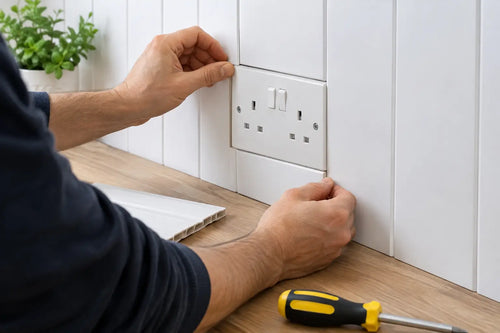
PVC wall panels are one of the easier bathroom upgrades for a confident DIYer. They are light enough to manoeuvre, straightforward to cut with appropriate tools, and can often be fitted over sound existing surfaces. Tongue-and-groove edges help create neat, consistent joins, while matching trims finish corners and exposed edges properly.
That does not mean preparation can be skipped. Walls must be clean, dry, stable and reasonably level. Loose tiles, flaky paint, damp patches and crumbling plaster need attention first. Panels can hide an unattractive surface, but they cannot solve an active moisture problem behind it.
Shower boards are more substantial. Their size means fewer panel joins, but also more careful measuring and handling. Cutting around a shower valve, pipework, niches or windows takes patience. Two people may be preferable when lifting and positioning full-size boards, especially in a tight upstairs bathroom.
For either option, plan the layout before opening the adhesive. Decide where the joins will fall, dry-fit trims where possible and make sure every edge around a shower tray or bath is correctly sealed. The finish is only as watertight as the detailing at the edges.
Waterproof performance
Both products can work well in bathrooms, but direct water exposure is where the specification matters most. PVC panels have a water-resistant, non-porous face and are excellent for areas affected by splashes, steam and everyday moisture. They are particularly practical on bathroom walls, behind basins and on ceilings where painted surfaces can stain or peel.
For a shower enclosure used every day, purpose-made shower boards often offer greater reassurance because of their rigid construction and large panel size. Fewer seams mean fewer places for water to test over time. That said, a properly installed PVC panel system rated for shower use can still be a practical solution.
Never assume that all decorative wall cladding is suitable inside a shower. Check the manufacturer’s usage guidance and do not compromise on the recommended sealant. Water getting behind any wall covering can lead to mould, damaged substrates and a far bigger job later.
Looks and finish choices
PVC panels offer a fast route to a bright, tidy bathroom. White gloss can make a compact room feel lighter, while marble-effect designs provide a more decorative alternative to plain tiles. The joins are visible, but with careful fitting and coordinating trims they can still look crisp and considered.
Shower boards tend to create a more continuous, statement-wall effect. Large-scale marble veining, slate, concrete and mineral finishes can look especially impressive across a full shower enclosure. If your aim is a boutique-hotel feel with minimal visual interruption, boards normally have the edge.
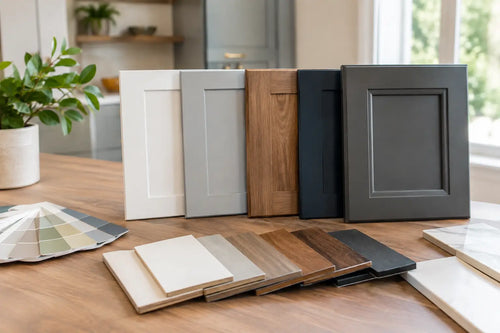
Scale matters here. A bold, heavily veined board can look fantastic in a larger bathroom but may overpower a small cloakroom. Conversely, a simple light PVC panel can make a narrow en suite feel fresher and more open. Order or inspect samples where possible, and view the finish in your bathroom lighting rather than relying solely on a screen.
Cleaning and day-to-day upkeep
One of the strongest reasons to choose either system is the lack of grout. There are no grout lines to scrub, re-whiten or repair, which saves time in a busy household. A soft cloth, warm water and a mild non-abrasive cleaner are normally enough for routine cleaning.
Avoid harsh scourers, solvent-heavy products and abrasive powders. They can dull the decorative surface over time. Pay attention to corners, trims and seals, as these are the areas where soap residue can collect.
PVC panels are forgiving for easy-clean bathroom walls and ceilings. Shower boards are equally low-maintenance, with the benefit of fewer joins in the wettest area. Neither is maintenance-free, though. Ventilate the room after showers and deal with failed sealant early to keep the installation looking its best.
Which option is best for your project?
Choose PVC panels when you want a lightweight, affordable and DIY-friendly way to cover sound bathroom walls or ceilings. They are a strong fit for quick renovations, cloakrooms, landlords refreshing a property between lets, and anyone who wants a clean finish without the disruption of tiling.
Choose shower boards when the shower itself is the priority and you want large-format style with minimal joints. They suit homeowners planning a more premium bathroom scheme, especially where the wall will receive regular direct spray and the visual impact of a continuous finish matters.
There is also no rule saying you must use one throughout the room. A practical approach is to use shower boards within the enclosure and PVC panels on the remaining walls or ceiling, provided the finishes work together. This can focus your budget where waterproof performance and visual impact count most.
Do not overlook trims, adhesive and sealing
The neatest bathroom panel projects are often won or lost by the small details. Internal corners, external corners, end caps and starter trims protect panel edges while giving the room a finished appearance. Use products designed to work with your chosen panels rather than trying to improvise with mismatched materials.
Adhesive choice matters too. Bathrooms experience heat and humidity changes, so use a suitable panel adhesive and follow the curing guidance before exposing the area to heavy steam or water. Around shower trays, baths and sanitaryware, apply a continuous, tidy bead of bathroom-grade sanitary sealant.
Measure twice, allow for trims in your calculations and keep cuts as discreet as possible. A free installation guide is useful, but if anything about the wall condition or waterproofing feels uncertain, ask for advice before fitting. A little planning is far easier than removing panels after the fact.
A great bathroom does not need weeks of disruption to feel new. Choose the panel system that suits your wet area, your budget and the finish you want to live with, then give the fitting details the care they deserve.