A new deck can change the way your garden feels before you add a single planter or piece of furniture. The best garden decking colours make a compact patio feel more open, bring warmth to a modern extension, or create a smart foundation for relaxed family living. The right choice is rarely about following a trend alone. It is about how the colour works with your house, garden light, fencing and the amount of maintenance you want.
Composite decking gives you the freedom to choose a polished, consistent finish without the regular staining and sealing associated with timber. That makes colour selection even more valuable - it is a look you will enjoy season after season.
Start with the style of your home
Look at the fixed features around your garden first. Brickwork, window frames, doors, rendered walls and paving will all influence whether a decking shade looks considered or out of place. You do not need to match every surface exactly. A little contrast often creates a more premium result.
Warm red or buff brick tends to sit beautifully with natural brown, oak and teak-inspired decking. These shades soften the transition between house and garden and work especially well where you want an inviting, traditional feel. They also pair naturally with terracotta pots, cream cushions and leafy planting.
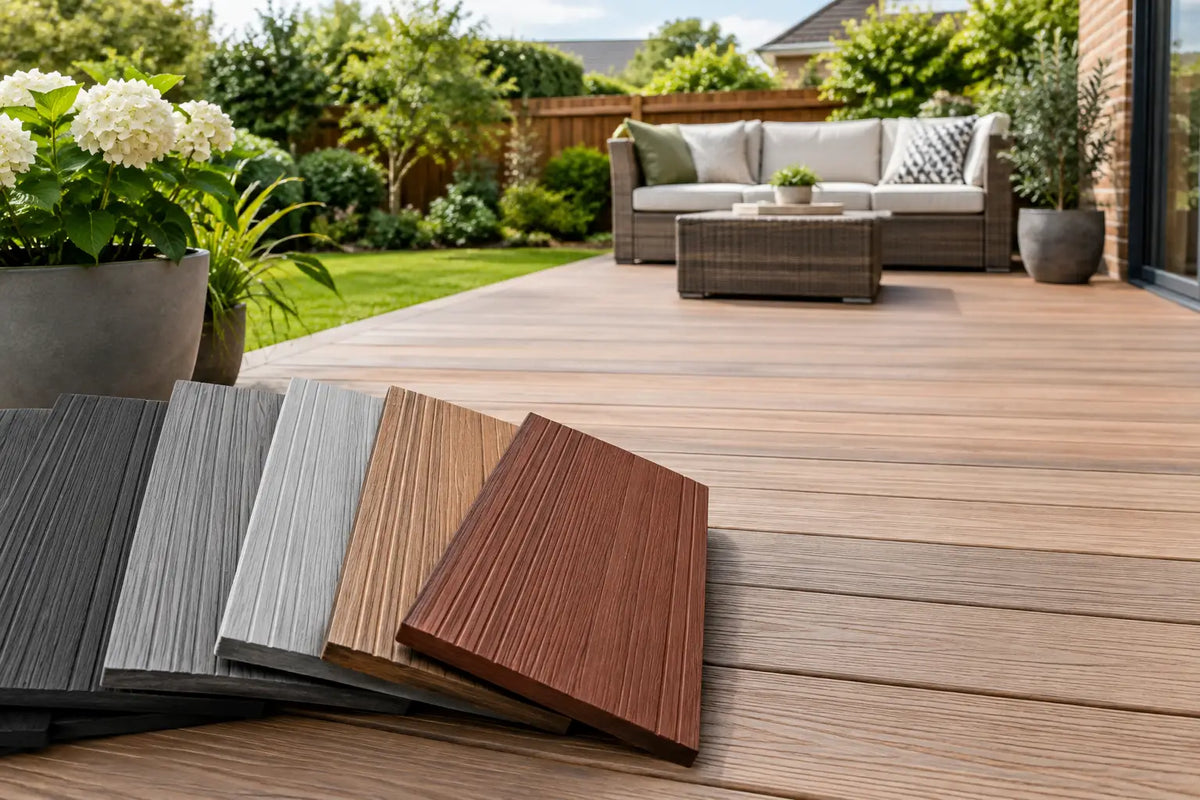
For newer homes with anthracite window frames, grey render or black bifold doors, grey composite decking is usually the obvious starting point. Mid-grey feels contemporary without looking severe, while dark charcoal creates a sharper, more architectural finish. If your exterior is already full of cool tones, a warmer brown deck can prevent the space from feeling too stark.
White render and pale stone offer the most flexibility. Grey decking gives a clean coastal or modern look, while oak-effect boards introduce contrast and warmth. In this setting, the furniture and fencing you choose can steer the finished scheme in either direction.
The best garden decking colours by mood
Warm oak and natural brown
Oak, teak and rich brown decking shades are a reliable choice for gardens that need more warmth. They echo the look of natural wood but offer the low-maintenance appeal of composite boards. This makes them particularly effective in family gardens, period properties and outdoor spaces with plenty of planting.
A natural brown deck is forgiving, too. It tends to disguise dried leaves, soil and everyday garden use better than very pale finishes. It can make a north-facing garden feel less cold, although it may appear deeper and richer after rain.
Choose this direction if you want your deck to feel established rather than ultra-modern. Add black furniture or dark fencing for contrast, or keep the look softer with rattan, sage green and neutral outdoor textiles.
Mid-grey for an easy modern finish
Mid-grey is one of the most versatile decking colours for UK gardens. It works with contemporary brick, render and stone, and it gives outdoor furniture a crisp backdrop without dominating the garden. It is also a practical middle ground: lighter than charcoal but less likely to show every mark than pale grey.
This shade suits gardens used for everything from weekday dinners to children’s play. Pair it with black or dark grey fencing for a cohesive design-led look, then introduce warmth through timber-effect screens, cushions, planters and lighting.
If you are planning a garden upgrade before selling or letting a property, mid-grey is a safe, broadly appealing option. It feels current without being too personal, which helps potential buyers or tenants picture their own furniture in the space.
Charcoal and dark grey for contrast
Dark decking makes a confident statement. Charcoal boards can frame pale walls, bright planting and light-coloured furniture beautifully. They are especially effective for sleek entertaining areas, garden rooms and extensions with black-framed glazing.
There is a trade-off. Very dark decking can make a small or shaded garden feel enclosed, and it will show pale dust, pollen and pet hair more readily than a mid-tone shade. It can also feel warmer underfoot in direct summer sunshine. If your garden is compact, consider using charcoal for a defined dining platform rather than covering every available area.
The reward is a tailored look. Use charcoal alongside pale porcelain paving, creamy rendered walls and structural evergreen planting for a finish that feels calm and high-end.
Light grey for brighter, smaller spaces
Light grey composite decking can make a tight courtyard or side garden appear more spacious. It reflects more light than darker finishes and pairs well with white, pale grey and soft green surroundings. For homes with a clean Scandinavian-inspired style, it creates an airy, uncluttered base.
However, the lightest boards require a little more visual care. Muddy footprints, fallen berries and barbecue spills can stand out, particularly in busy family gardens. This does not mean light grey is impractical - composite decking is designed for straightforward cleaning - but it is worth choosing with your real routine in mind rather than the perfect photograph.
Light grey works best where there is good natural light and a fairly tidy border between deck and lawn. Neat edging, gravel strips or planters can help keep soil away from the surface.
Consider light before committing to a shade
The same board can look noticeably different in a showroom image, a south-facing garden and a shaded Manchester terrace. Sunlight brings out warm undertones, while overcast weather can make grey boards appear cooler. Before choosing, think about when you use the garden most.
A south-facing deck has enough daylight to carry charcoal or deeper brown confidently. In a north-facing garden, natural oak, mid-grey or a lighter shade can stop the seating area feeling too dark. If tall trees or neighbouring buildings cast shade for much of the day, avoid selecting a colour based only on how it looks in strong sunshine.
It also helps to view colour samples against your own brickwork, paving and fence panels. Hold them flat rather than upright, as decking is seen underfoot and catches light differently from a vertical wall panel. Check them in the morning, afternoon and evening if possible.
Match decking with fencing and garden features
Decking rarely sits alone. The strongest garden schemes repeat colours in a measured way across fencing, screens, steps, pergolas and furniture. Repeating the exact same shade everywhere can look flat, though, so aim for complementary tones instead.
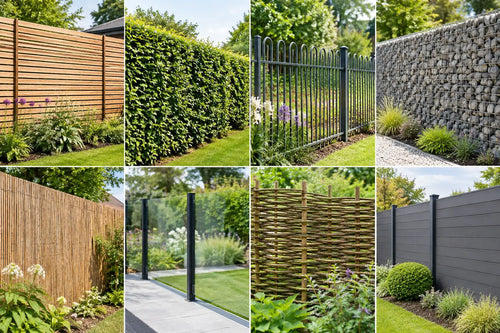
A grey deck with black composite fencing or dark slatted screens looks refined and contemporary. A warm brown deck can be balanced with deep grey fencing, which adds definition without competing with the natural tone. If your fencing is already a pale timber colour, mid-grey decking creates a clean contrast and stops the whole garden becoming overly beige.
Think about the line where the deck meets the lawn or patio, too. A contrasting border board can make the layout look more intentional, particularly around steps, picture-frame edges and built-in seating. Darker edging around a lighter central deck gives a crisp, tailored result, while a matching finish creates a calmer, more expansive effect.
Choose for real life, not just first impressions
Your ideal decking colour should suit how the space will be used. Homes with dogs, young children or regular garden gatherings often benefit from a mid-tone finish that hides the odd footprint and leaf. A low-traffic balcony or sheltered courtyard can comfortably take a lighter shade if brightness is the main aim.
Also consider outdoor furniture before you order. Black aluminium furniture looks striking on natural brown, oak and light grey. Grey decking works easily with almost any colour, from soft neutrals to bold blue cushions. On charcoal boards, lighter furniture and planters prevent the seating area from becoming visually heavy.
Composite decking is made for low-fuss outdoor living, but all colours benefit from regular sweeping and an occasional wash to remove dirt, organic debris and surface marks. Choosing a shade that works with your lifestyle means less time noticing every speck and more time enjoying the garden.
Create a finish that feels complete
The best garden decking colours are the ones that make the rest of the space feel more considered. Rather than choosing the darkest, palest or most fashionable board in isolation, choose the tone that supports your home’s character and the atmosphere you want outside.
For a safe all-round choice, mid-grey delivers a modern look with everyday practicality. For warmth, oak and brown shades make the garden feel welcoming. For a bolder design statement, charcoal provides definition and contrast. Home Hub Direct’s composite decking options can help turn that direction into a practical DIY project, with the finish and accessories needed for a clean result.
Take a sample outside, place it beside the surfaces you already have and trust the colour that still looks right when the British weather changes. That is the shade most likely to make you want to step outdoors more often.