A bare boundary can make even a well-kept garden feel unfinished. Outdoor panelling gives patios, balconies and seating areas a more considered backdrop, adding privacy, texture and a premium finish without the upkeep of painted timber. Whether you want to screen off a neighbouring view or create a feature wall behind your garden furniture, the right panels can make the whole space feel more intentional.
What can outdoor panelling transform?
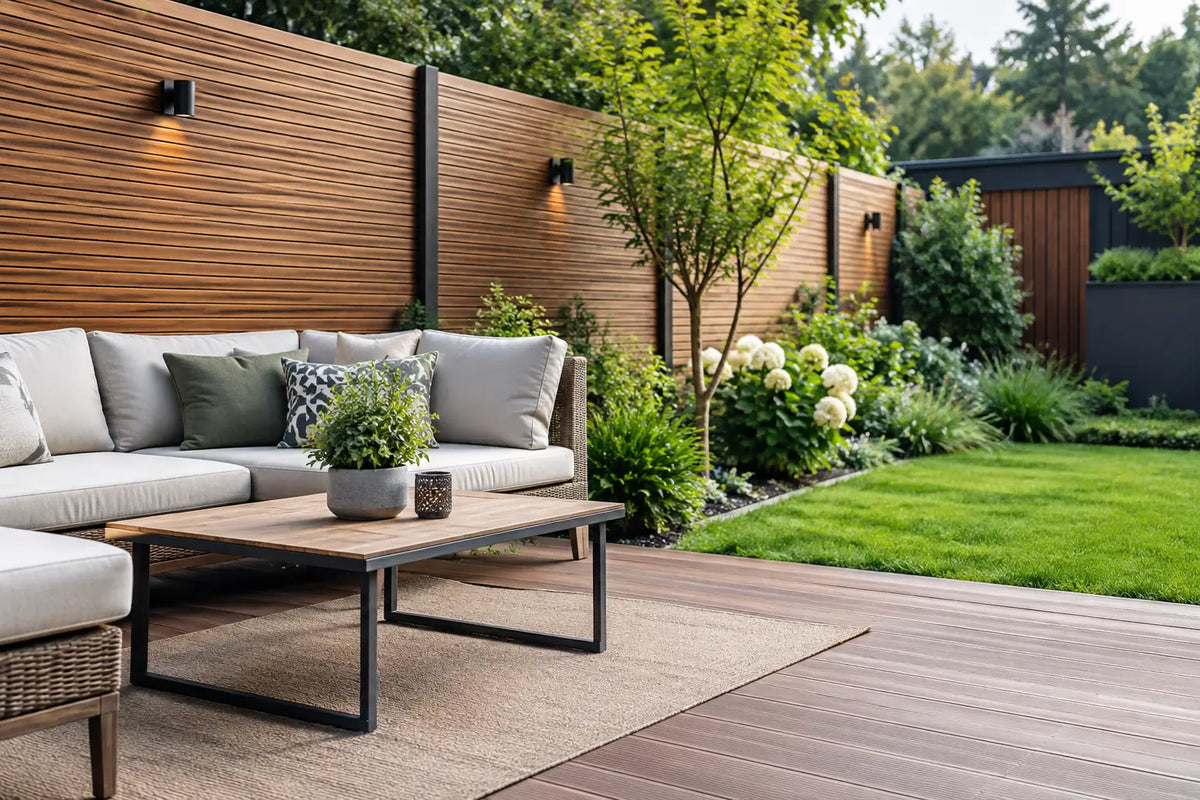
Outdoor panels are far more than a replacement for a tired fence. Used well, they help define how you use your garden. A panelled backdrop behind a dining set can make an open patio feel like an outdoor room, while a section near a hot tub or seating area provides welcome privacy without closing in the whole garden.
They are especially effective in newer homes, where gardens often have simple fencing and limited character. Rather than rebuilding every boundary, use panelling as a focal point on the wall or fence you see most from the house. This gives you the high-impact result without turning a garden refresh into a major landscaping project.
For landlords and homeowners preparing a property for sale, a smart outdoor feature can also help photographs stand out. A neat, contemporary garden suggests that the property has been looked after, even when the overall space is compact.
Choosing outdoor panelling for your space
The best choice depends on where the panel will sit, how exposed the area is and the look you want to create. Start with function, then choose the finish. Privacy may be your priority beside a seating area, while a decorative garden wall may only need visual depth and a clean frame.
Composite panels for low-maintenance style
Composite outdoor panels are a practical choice for busy households. They are designed to handle changing weather without the regular sanding, staining or repainting associated with timber. That means more time enjoying the garden and less time maintaining it.
A wood-look composite finish brings warmth to modern patios, rendered walls and brickwork. Darker shades can create a striking contrast against pale paving, while warmer brown and natural tones work well alongside planting, timber furniture and softer garden schemes. The finish matters as much as the colour: look for a surface that feels considered rather than overly glossy, particularly if the panel will be close to your main seating area.
Composite is not completely maintenance-free. Dust, mud and algae can build up outdoors, especially in shaded corners. A gentle wash with warm soapy water and a soft brush is usually enough to keep panels looking fresh. Avoid harsh abrasives that could mark the surface.
Timber has character, but needs commitment
Natural timber can suit period properties and relaxed cottage-style gardens beautifully. It has variation that manufactured finishes cannot perfectly replicate, and it can be painted or stained to match an existing scheme. The trade-off is care. British rain, frost and strong summer sun will take their toll unless the timber is properly treated and maintained.
If you love the look of wood but do not want an annual garden job, composite outdoor panelling is often the more straightforward route. It gives a similar sense of warmth with a more predictable finish over time.
Think about the setting, not just the sample
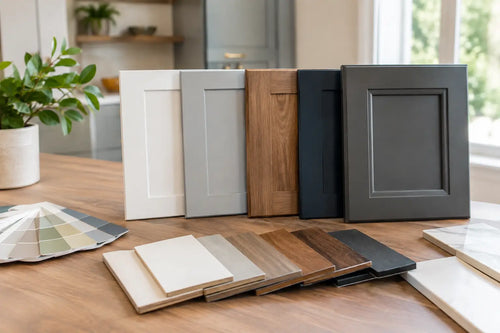
A small swatch can look very different once it covers a full wall. Before ordering, consider the light throughout the day. Deep charcoal or black panels can look sharp and architectural in a bright, open garden, but may feel heavy in a narrow north-facing space. Lighter wood-effect shades can lift a shaded courtyard, while mid-tones are often the most forgiving around children, pets and everyday garden use.
Also consider what sits beside the panels. Grey composite decking, porcelain paving and black metal furniture suit contemporary dark finishes. If your garden has lots of foliage, rattan seating and terracotta pots, a warmer tone can create a more relaxed result.
Where to use outdoor panels
One well-placed panelled section can have more impact than covering every available surface. Behind an outdoor sofa, panels create a clear focal point and make cushions, planters and lighting feel part of one scheme. On a boundary fence, they can disguise uneven boards or add a consistent finish where neighbouring fencing does not match.
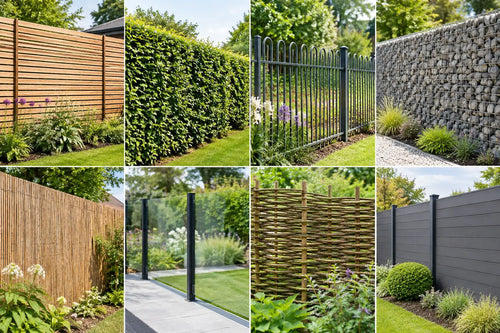
A patio side wall is another strong option. This is particularly useful in overlooked gardens, where you need screening but still want the space to feel open. Position panels where they block the direct line of sight from neighbouring windows rather than building a tall visual barrier along the entire boundary.
Outdoor panelling can also work around entrances, bin-store areas and utility corners that tend to spoil an otherwise tidy garden. Use it to bring these practical zones into the overall design, but leave suitable access for doors, gates and maintenance.
Plan the fitting before you order
A premium finish starts with accurate measuring. Measure the width and height of the area in several places, as garden walls and fences are not always level or square. Work out the panel direction early too. Horizontal lines can make a narrow garden feel wider, while vertical lines draw the eye upwards and can give a low wall more presence.
Check the surface you are fixing to. Sound masonry, a stable timber frame or suitable fence posts offer a better base than loose boards or crumbling render. If the existing structure moves, the new panels will move with it. It is worth repairing the base first rather than expecting the cladding to hide a structural problem.
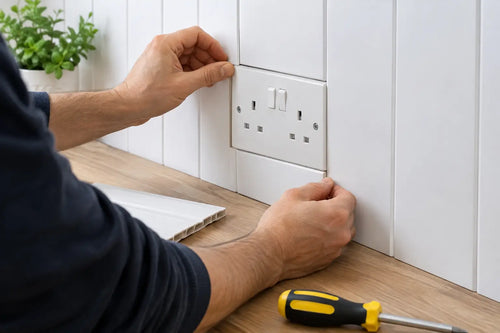
Allow for trims, corner pieces and end caps when planning. These small details make exposed edges look neat, protect cut ends and give the project a properly finished appearance. They also help avoid the common DIY mistake of ordering just enough boards for the main area, only to find the edges look incomplete.
Where panels are fitted outside, follow the recommended spacing and fixing guidance for the product. Materials expand and contract slightly as temperatures change, so a tight, forced fit can cause issues later. Home Hub Direct supplies installation guidance with every order, helping you plan the fitting with confidence before the first panel goes up.
Keep the design practical
Garden features need to work through every season, not only on the first sunny weekend after installation. Leave drainage routes clear and avoid trapping damp leaves behind furniture pushed tightly against the panels. If you are adding lighting, decide on cable routes before fitting so there is no need to remove finished sections later.
Planting can soften the clean lines of outdoor panelling, but give climbers and large pots enough space. A wall crowded with wet foliage may need more frequent cleaning, while aggressive climbing plants can make future maintenance difficult. Freestanding planters are a flexible alternative: you can change the look for the season without attaching anything to the panels.
For families, choose layouts that keep play areas open and make gates easy to access. For smaller gardens, resist the temptation to add every trend at once. Panels, decking, pergolas, screens and oversized planters can compete with each other. Pick one main feature, repeat one or two finishes, and let the space breathe.
A finish that earns its place
Outdoor panelling works best when it solves a real problem while making the garden feel better to use. It might turn an overlooked patio into a private coffee spot, give a plain boundary a more polished look, or create a backdrop that makes evening entertaining feel special. Choose a finish that suits your home, measure carefully and give the details the same attention as the main panels. The result is a garden upgrade that looks designed, not simply added on.