A freshly painted wall can make a room feel clean. Oak-effect wall panels can make it feel finished. That is the real decision in oak wall panels versus paint: not simply which option covers a wall, but what kind of result you want the room to deliver every day.
For a quick refresh before guests arrive, paint has obvious appeal. For a living room feature wall, a media wall or a bedroom that needs warmth and texture, slatted oak panels create a stronger focal point with far less reliance on styling accessories. Both have a place. The best choice depends on your budget, wall condition, timeframe and how much visual impact you expect from the project.
Oak wall panels versus paint: the visual difference
Paint changes colour. Panels change character.
A well-chosen paint shade can brighten a narrow hallway, soften a bedroom or give a tired room a more contemporary feel. It is an especially useful choice when you want every wall to recede into the background, or when the room already has plenty of architectural detail.
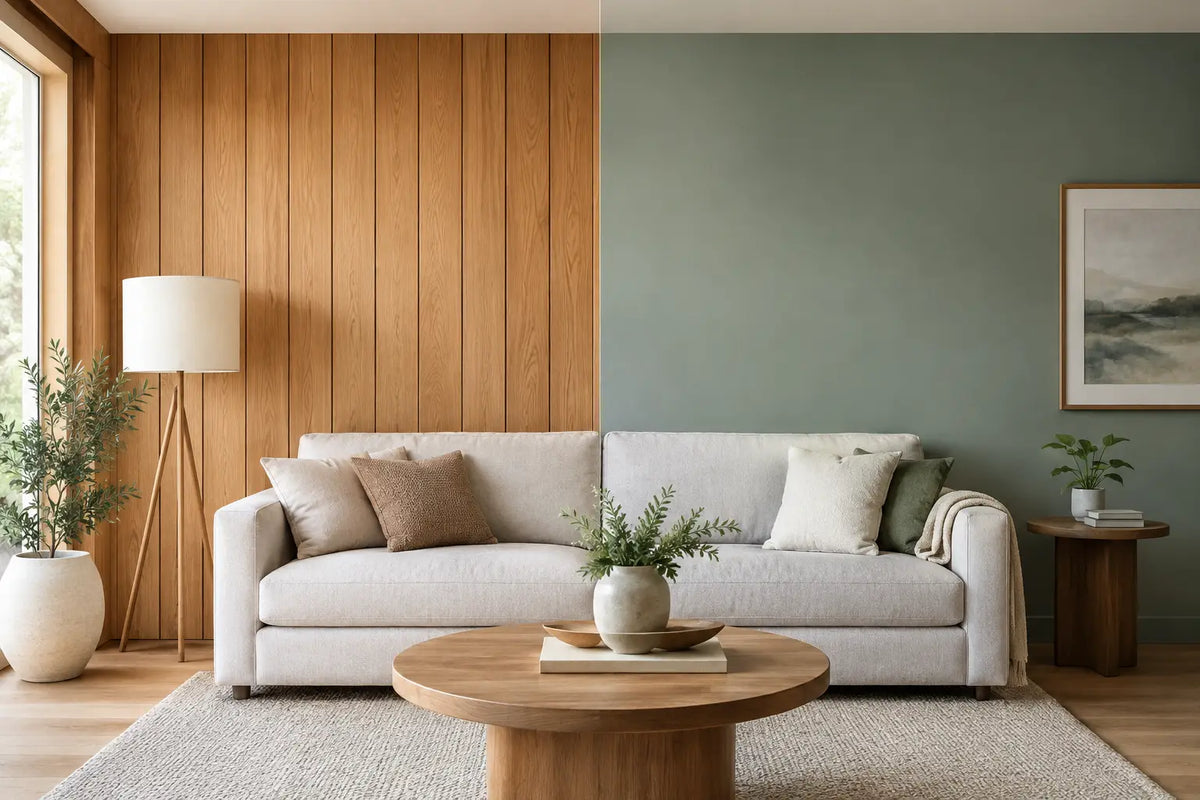
Oak-effect acoustic wall panels do something different. Their vertical slats introduce lines, depth and a natural wood-look finish, creating an intentional design feature rather than a flat backdrop. This is why they work so well behind a television, along a dining wall, around a bed or in a home office. They add warmth without requiring a full room renovation.
The direction of the slats matters too. Vertical panels naturally draw the eye upwards, which can make standard-height ceilings feel more generous. Paint cannot create this physical depth, although a clever colour choice can alter how a room feels.
There is a trade-off. A full room of slatted panelling can feel heavy in a compact, dimly lit space. In most homes, a single feature wall delivers the balanced, high-end look people want. Pair it with lighter painted walls and the room stays open.
Upfront cost is only part of the picture
Paint often wins on the lowest initial spend. A tin of quality paint, rollers, tape, filler and a dust sheet can be enough for a small room, particularly if the walls are already sound and you are happy to do the work yourself.
However, the final cost rises quickly when preparation is needed. Cracks, old wallpaper residue, dents, uneven plaster and stains all need attention before paint will look smooth. You may need primer, filler, sanding materials and more than one coat. If you bring in a decorator, labour can become the largest part of the job.
Oak wall panels cost more per square metre than paint, but they can reduce the need for a perfect wall surface. Minor marks and uneven areas sit behind the panels, while the visible finish arrives ready to create impact. For a feature wall, that can make the project feel more predictable: measure the area, choose the finish, add the right trims and adhesive, then fit.
It is worth comparing the cost against the wall you are actually improving. Painting four walls in a lounge may be cheaper overall than panelling them. Panelling one central wall, however, may deliver the more noticeable transformation for the money.
Installation: speed versus preparation
Neither option is difficult, but they ask for different kinds of effort.
Painting is familiar, yet it is not always fast. You need to protect floors and furniture, repair defects, cut in neatly at ceilings and skirting boards, allow coats to dry and ventilate the room. Dark colours and major colour changes can require extra coats. The work is manageable, but it can be messy and disruptive.
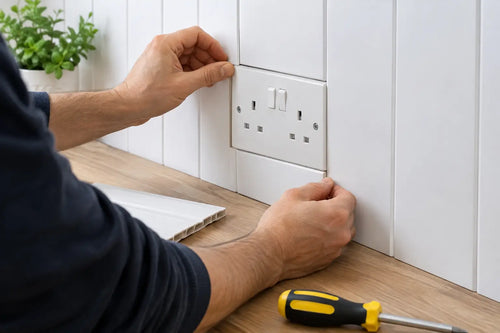
Slatted wall panels are designed for a more direct DIY route. Once the wall is clean, dry and measured, panels can be cut to size and fixed with suitable adhesive and, where needed, mechanical fixings. A saw, tape measure, spirit level and adhesive gun cover the essentials for many projects. Careful planning around sockets, switches, radiators and television brackets is what makes the finished wall look professional.
The most important step is to start straight. If the first panel is level, the rest of the installation becomes far simpler. Take time to dry-fit cuts around obstacles before applying adhesive. Finishing trims can give exposed edges a crisp, considered result.
For beginners, panels can feel more reassuring than a large painting job because the finish is built into the product. Home Hub Direct includes a free installation guide with every order, helping customers plan the job before the adhesive is opened.
Maintenance and everyday living
Painted walls are easy to understand, but they can show the realities of family life. Scuffs in hallways, fingerprints near switches, marks behind dining chairs and knocks from moving furniture are common. Washable paints offer better resistance, although aggressive cleaning can still affect the finish. Repairs are possible, but colour matching after a few years is not always straightforward.
Oak-effect wall panels are low-fuss in day-to-day spaces. Regular dusting with a soft cloth or vacuum brush attachment is usually enough. For light marks, use a slightly damp cloth and avoid soaking the panel or using harsh cleaners. The textured surface disguises minor day-to-day imperfections better than a flat matt wall.
That said, panels are not the right finish for every wet area. Standard acoustic slatted panels are best suited to dry internal rooms. If you are updating a bathroom, shower space or utility room with regular moisture exposure, choose wall boards specifically designed for those conditions rather than relying on timber-look feature panels.
Sound and comfort: where panels add more
Paint has no meaningful acoustic benefit. It may make a room look calmer, but it does not change echoes from hard floors, large windows and bare walls.
Acoustic slatted wall panels can help soften the feel of a room by breaking up sound reflections. They are a smart option for open-plan living spaces, home offices, gaming setups and media walls, where sound can otherwise bounce around. The difference will depend on the room size, furnishings and how much wall coverage you install, so do not expect one small panel section to soundproof a house.
Think of it as comfort rather than complete sound isolation. Panels can make a room feel less harsh and more settled, while also delivering the visual feature you wanted in the first place.
When paint is the better choice
Paint is the sensible answer when the room needs a broad, low-cost refresh and the walls are already in good order. It is also ideal for rental properties where permanent changes are restricted, or for rooms with awkward shapes where cutting multiple panels would create unnecessary waste.
Choose paint if you love changing colours regularly, want an all-over light finish or need to cover a large area on a tight budget. A calm neutral paint scheme can be just as effective as panelling when natural light, furniture and flooring already provide plenty of texture.
When oak panels are worth it
Choose oak-effect wall panels when one wall needs to work harder. They are especially effective if your television wall looks unfinished, your bedroom lacks a focal point or your lounge feels functional rather than inviting. The slatted look brings in the warmth associated with natural wood, without the expense and specialist fitting often linked with traditional timber cladding.
They also suit homeowners preparing a property for sale or landlords improving a key room between tenancies. A well-finished feature wall photographs well, gives a space a clear design point and can make a standard room feel more considered.
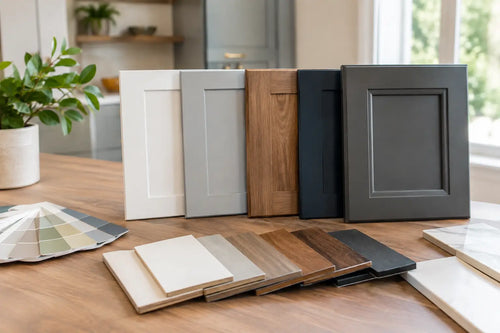
Measure carefully before ordering, allow for trims and cuts, and select an oak tone that works with your flooring rather than competing with it. Pale oak can keep Scandinavian-style rooms airy; deeper tones add contrast beside soft neutrals, black media units and warm lighting.
Make the wall suit the way you live
The strongest interiors rarely rely on one finish everywhere. Paint provides the calm canvas. Oak wall panels provide the moment people notice.
If you are undecided, start with the wall your eye goes to first when entering the room. Treat that as the feature, keep the surrounding walls simple, and choose a finish you will still enjoy long after the first coat of paint would have needed touching up.