A tired patio, patchy lawn or muddy corner can make the whole garden feel smaller than it is. A composite deck garden makeover gives that space a clear purpose: somewhere to eat outside, relax after work, host family and enjoy without spending every dry weekend sanding, staining or pulling weeds.
Composite decking is not a shortcut to a good garden design. The best results come from planning how you will use the space first, then choosing boards, colours and finishing details that make daily life easier. Get those decisions right and even a modest garden can feel considered, contemporary and genuinely more usable.
Start your composite deck garden makeover with a purpose
Before measuring boards, decide what the deck needs to do. A dining area works best close to the house and kitchen, while a quiet seating spot may suit the far end of the garden where it catches the evening sun. If children need room to play, avoid covering every inch of lawn. A deck and a clear green zone often feel more balanced than a fully hard-landscaped garden.
Think about movement too. You need enough room to pull chairs back, carry food outside and walk comfortably around furniture. For a dining table, allow space beyond the chairs rather than sizing the deck only to the tabletop. If the area is compact, built-in bench seating can create more room than several separate chairs.
The shape matters as much as the square metres. A simple rectangle is usually the easiest and most cost-effective option, especially for a first DIY project. It also suits contemporary homes and makes board laying straightforward. Stepped levels, angled edges and curves can look striking, but they add planning, cutting and subframe work. Choose them because they solve a layout issue, not simply because they look impressive in a photo.
Choose a colour that works with your home
Composite decking can bring the warmth of timber tones without the routine upkeep of traditional wood. The right shade should connect the garden to the property rather than compete with it.
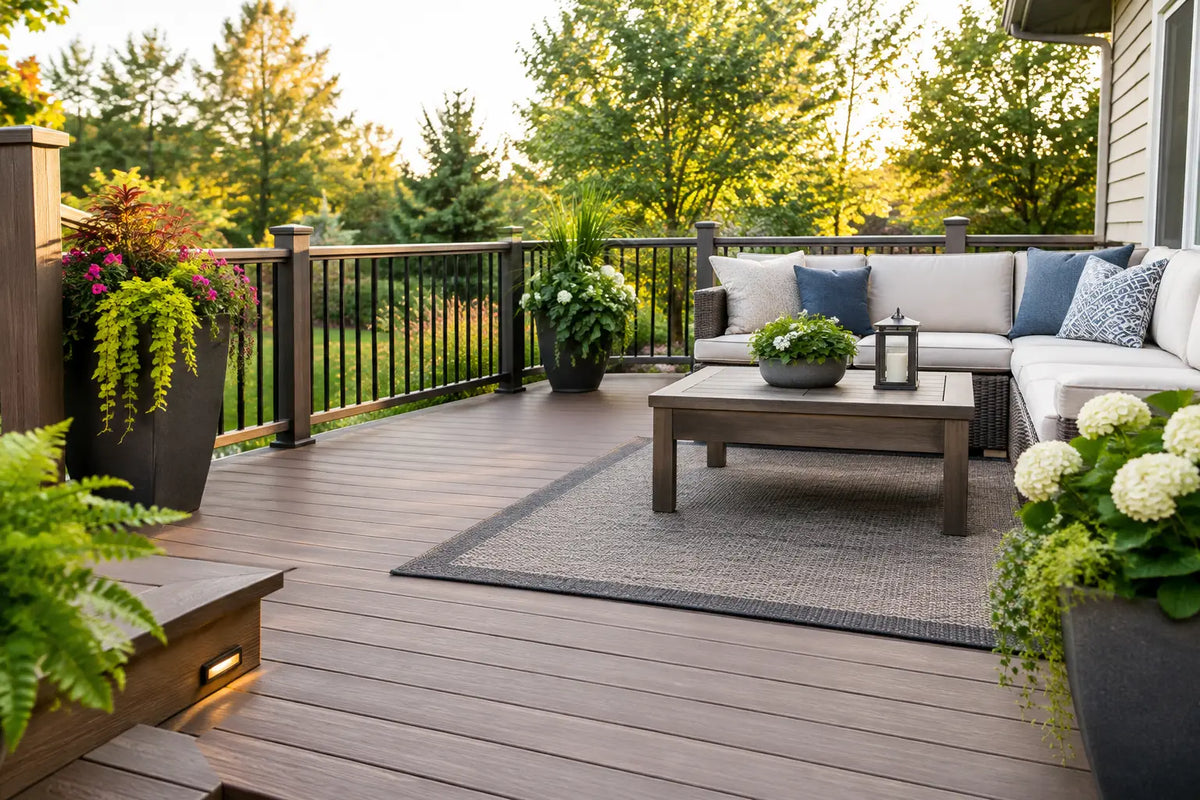
Grey boards are a natural fit for modern render, black window frames, pale paving and clean-lined outdoor furniture. They create a calm base for leafy planting, cream cushions and warm lighting. Brown and wood-effect tones tend to soften brick homes and traditional gardens, especially alongside terracotta pots, gravel and natural stone. Deep charcoal can look premium and dramatic, but it benefits from lighter furniture and planting so the garden does not feel closed in.
Always consider the amount of sun the area receives. Darker colours can feel warmer underfoot in a south-facing garden, while lighter tones may show marks more easily in high-traffic family spaces. There is no universal best choice. Pick a finish that suits your house, your garden aspect and the amount of everyday use the deck will get.
Keep the palette simple
A polished garden usually needs only two or three main finishes. For example, pair grey composite decking with black planters and soft green foliage, or choose warm brown boards with cream seating and stone-coloured paving. Too many competing materials can make even an expensive makeover feel busy.
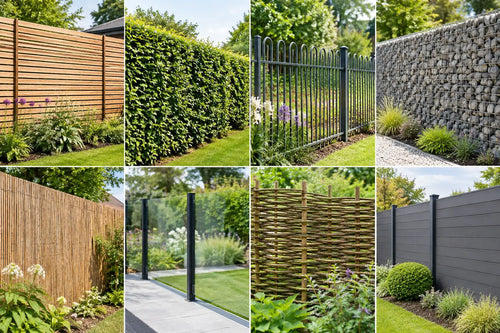
If you are adding composite fencing or outdoor wall panels, coordinate undertones rather than trying to match everything exactly. A warm wood-effect deck can sit beautifully against darker fencing, while a cool grey deck works well with crisp black or slate accessories.
Build the layout around zones, not products
Decking is the foundation, not the full makeover. Once its position is set, create simple zones around the way you live. Near the house, a dining zone keeps meals practical. At the end of the deck, a sofa-style seating area gives the garden a destination. Along one side, raised planters or large pots can add privacy without making the footprint feel cramped.
For narrow gardens, run boards in the direction that draws the eye towards the far end. This can make the plot appear longer. In wider gardens, a deck placed across the rear of the house can establish a generous entertaining area, with planting breaking up the edges and stopping the space from feeling like an outdoor room with no softness.
Leave a little breathing room at boundaries. Pushing furniture, planters and features against every fence can make the garden feel crowded. A narrow planting strip, gravel margin or neat border gives the deck a more finished appearance and allows rainwater to drain where it should.
Get the base right before fitting composite decking
The part visitors do not see determines how well your deck performs. Composite boards need a stable, level and properly supported subframe. Skipping preparation to save time can lead to movement, uneven boards and poor drainage later.
Start with a firm base such as concrete, paving or a well-prepared ground foundation. Where the deck is raised, use suitable supports and make sure the structure is secure. Build in a slight fall away from the house so water can drain, and keep airflow beneath the boards. This helps the area dry after rain and protects the structure below.
Follow the recommended joist centres, expansion gaps and fixing method for the boards you choose. Composite materials expand and contract slightly with changing temperatures, so spacing is not a cosmetic detail. It is part of a clean, long-lasting fit.
If your garden slopes significantly, has drainage problems or needs substantial excavation, professional help may be the sensible choice. A DIY-friendly product does not mean every site condition is a DIY job. For straightforward patios and level gardens, careful measuring, the right tools and a clear installation guide can keep the project manageable.
Finish the edges properly
A visible cut edge or exposed subframe can take the edge off an otherwise premium result. Matching fascia boards, corner trims and tidy end details create the look of a complete installation. They also help define steps and raised sections clearly, which is useful for safety as well as style.
Plan these finishing pieces at the same time as the main boards. They are much easier to fit when included in the original design than added as an afterthought.
Add planting that makes the deck feel settled
A garden makeover should not feel like a showroom set outdoors. Plants bring movement, colour and seasonal interest, and they soften the clean lines of composite decking.
Use larger planters to frame an entrance to the deck or anchor a seating area. Evergreen shrubs offer structure through winter, while ornamental grasses add texture and move nicely in the breeze. For a low-maintenance approach, repeat a few reliable plant varieties rather than choosing lots of different colours and shapes. Repetition looks intentional and is easier to care for.
If privacy is a concern, consider tall planted pots, trellis or screening at the side where you need it most. Avoid creating a full wall around a small deck, as this can block light and make the area feel boxed in. Partial screening often gives you the privacy you want while keeping the garden open.
Use lighting for atmosphere and safety
Good lighting turns a deck from a daytime surface into an evening space. Start with the practical areas: steps, changes in level and routes back to the house. Then add softer light around seating, planters or a fence line.
Warm white lighting generally makes composite decking and planting look more inviting than harsh, bright white fittings. Low-level lights can define the deck edge without glare, while wall-mounted lighting near doors makes serving food and coming inside easier. Solar lights are quick to place, but their performance can vary during the darker UK months. For dependable year-round lighting, a professionally planned outdoor electrical installation may be worth considering.
Make maintenance part of the design
One of the biggest reasons to choose composite decking is less upkeep. You will not need the regular staining or sealing associated with many timber decks, but low maintenance is not no maintenance. Sweep away leaves, rinse off everyday dirt and deal with spills before they settle. Keep drainage gaps clear, especially in autumn, so water can move freely.
Choose outdoor furniture with feet or pads that will not trap water or scratch the surface. Move rugs and planters occasionally to clean beneath them. These small habits keep the deck looking fresher and help prevent one area ageing differently from the rest.
A composite deck garden makeover works best when it feels like a natural extension of your home, not a separate project at the bottom of the garden. Plan for the way you eat, sit, play and relax outdoors, then let the details do the hard work. With a sound base, a considered colour palette and planting that grows into the space, your garden can look premium without becoming another demanding weekend job.