A dated bathroom does not always need a full rip-out to feel fresh again. PVC wall boards can cover tired tiles, uneven plaster and hard-to-clean painted walls with a crisp, modern surface - often without the dust, grout and long wait associated with traditional tiling. For busy households, landlords and anyone planning a practical refresh, that difference matters.
They are not the right answer for every wall or every design scheme. But in areas where moisture resistance, quick fitting and easy cleaning are high on the list, PVC boards offer a convincing route to a premium-looking finish with far less disruption.
What are PVC wall boards?
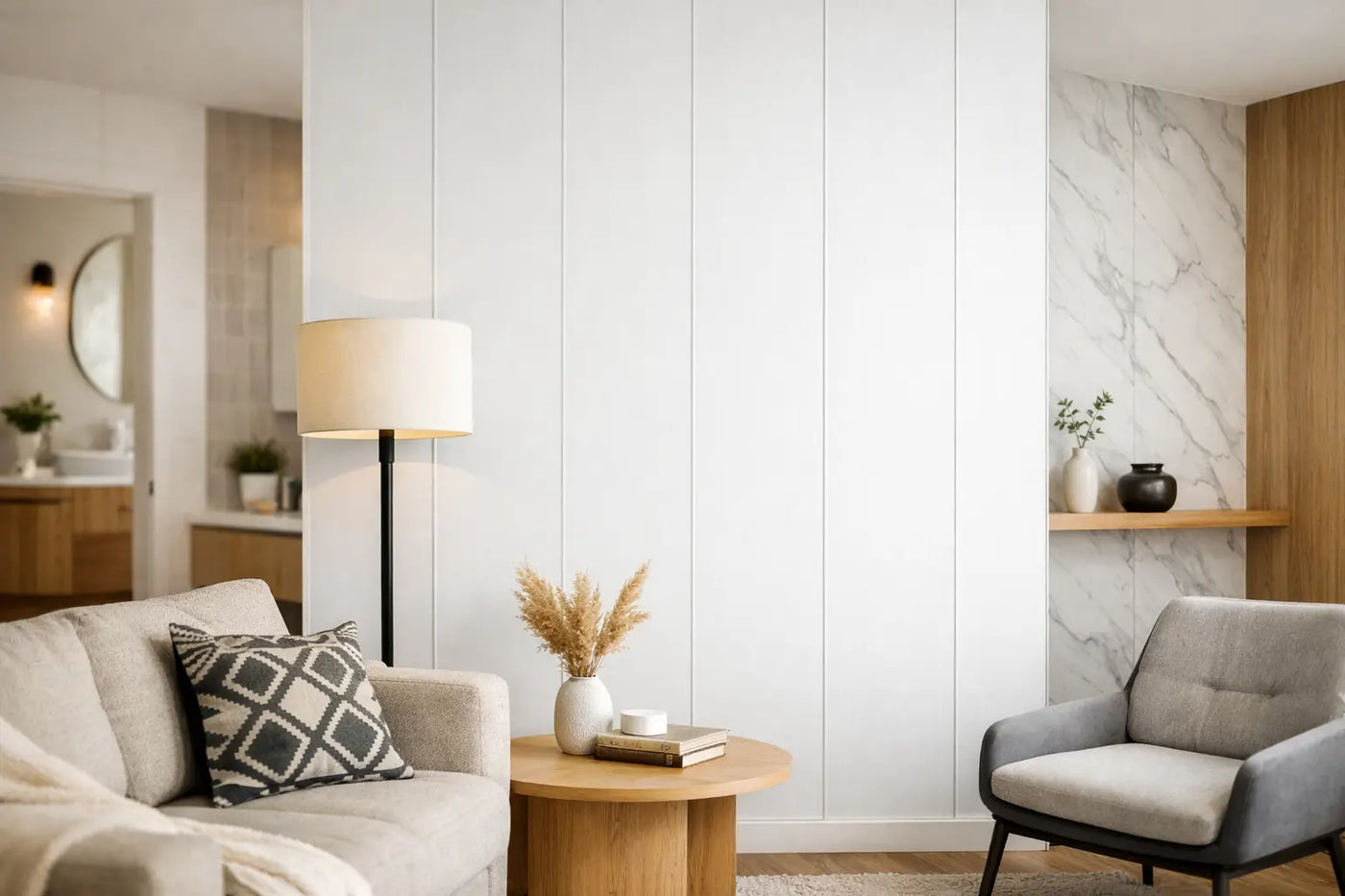
PVC wall boards are lightweight decorative panels designed to cover internal walls and, in some cases, ceilings. They are typically made from durable polyvinyl chloride and have a smooth, wipe-clean face. Available in finishes ranging from clean white and soft grey to marble-effect stone and contemporary tile looks, they can change the character of a room without the cost and labour of laying individual tiles.
The panels usually fit together with tongue-and-groove edges, creating neat joins that are far less noticeable than separate wall tiles. Matching trims complete the edges, corners and transitions around doors, windows and shower areas.
Their main appeal is practical as much as visual. A properly fitted panelled wall has fewer places for dirt and moisture to settle, making it especially useful in bathrooms, en suites, cloakrooms, utility rooms and kitchens. It can also work well for rental-property upgrades where a clean, durable finish is needed between tenancies.
Why homeowners choose PVC wall boards
The biggest benefit is the amount of work they can remove from a renovation. Tiles need a sound, carefully prepared surface, adhesive, spacers, grout and time to cure. PVC boards can often be fitted directly over existing tiles or a suitable flat wall, reducing preparation and keeping the room usable sooner.
That does not mean preparation can be skipped altogether. Loose tiles, crumbling plaster, active damp and badly bowed walls still need attention first. Panels will cover an unattractive surface, but they cannot solve the cause of moisture behind it. If there is a leak or mould issue, deal with that before installing any decorative wall finish.
For everyday living, the easy-care surface is another strong reason to choose boards. There is no grout to scrub, recolour or reseal. A soft cloth, warm water and a non-abrasive cleaner are normally all that is needed to keep the boards looking smart. This makes them a sensible choice for family bathrooms, muddy utility areas and kitchens where splashes are part of the routine.
There is also a budget advantage. The final cost depends on room size, panel finish, trims, adhesives and whether you fit them yourself, but PVC boards can provide the look of a fully finished wall with fewer installation stages. That makes it easier to plan a project around a clear materials budget.
The best rooms for PVC panels
Bathrooms are the obvious starting point. Around a bath, behind a basin or across full walls, panels create a clean surface that suits both compact cloakrooms and larger family bathrooms. Lighter finishes can help a small room feel more open, while marble-effect designs add a more elevated look without the upkeep of natural stone.
In a shower enclosure, choose boards and trims specifically intended for wet areas, then follow the fitting guidance closely. The waterproof performance comes from the complete system: sound wall preparation, correct adhesive or fixing method, securely joined panels and carefully sealed edges. Rushing the sealing stage can undermine an otherwise excellent installation.
Kitchens benefit too, particularly as an alternative to a tiled splashback. A panel behind a worktop is quick to wipe after cooking and can create a continuous finish across awkward wall sections. Keep the material clear of direct, high heat unless the product specification confirms it is suitable. The area immediately behind a gas hob, for example, may require a heat-resistant splashback instead.
Utility rooms, downstairs WCs and rental properties are equally practical settings. These spaces work hard and are often the first to show scuffs, damp marks or tired paint. A durable panel finish helps them stay presentable with very little maintenance.
Choosing a finish that suits your space
A PVC wall board should support the rest of the room rather than compete with it. Think about the light, existing flooring and fittings before choosing a pattern. In a compact bathroom with little natural light, white, pale stone or soft grey boards can keep the look bright and calm. Pair them with chrome, black or brushed brass accessories depending on the style you want to create.
Marble-effect panels work well when you want more visual impact without making the room feel busy. Use them across a main wall or within a shower area, then balance the pattern with simple furniture and plain towels. If every surface carries a strong veined design, the room can quickly feel crowded.
For a more understated result, choose a clean gloss or satin-style finish. Gloss reflects light and is especially useful in smaller spaces, although it can show water spots more readily than a softer finish. A matt or textured look may feel more contemporary, but always check that the product is suitable for the specific location before buying.
Order enough matching boards, trims and adhesive for the full project at the same time. This helps ensure consistency in finish and avoids delaying the job while you wait for a final piece.
How to plan a tidy DIY installation
PVC wall boards are DIY-friendly, but a professional-looking result comes from measuring carefully and taking your time with the first panel. That first line sets the standard for everything that follows.
Start by measuring each wall at its widest and tallest points, then allow for cuts around windows, pipework, sockets and fittings. Check the panel dimensions rather than assuming every board covers the same area. It is sensible to include a small allowance for offcuts, particularly in rooms with lots of corners.
Before fitting, make sure the wall is dry, clean and stable. Remove flaking paint, fill major holes and clean away soap residue or grease. If you are fitting over tiles, check that they are firmly fixed. Where a wall is very uneven, battens may be needed to create a level surface, though this will reduce the room slightly.
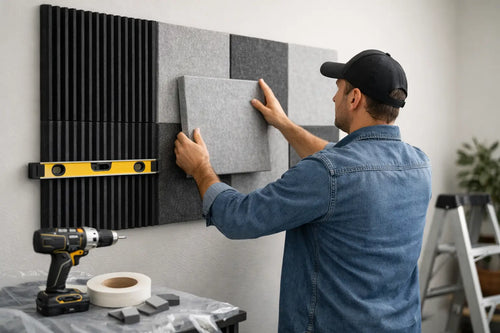
Use the recommended adhesive and follow its instructions on coverage and curing time. Apply trims where required, keep the first board plumb, and press each panel securely into place. Take care around electrical sockets: isolate the power before working nearby, and use a qualified electrician if fittings need moving or extending.
For four details that make a visible difference, keep a spirit level close by, dry-fit difficult cuts before applying adhesive, seal wet-area edges with an appropriate sanitary silicone, and protect the finished surface from scratches while other work is completed. A free installation guide can make these stages much easier to follow, especially if it is your first wall-panel project.
What PVC boards do not replace
PVC boards are a finish, not a building repair. They will not correct structural movement, stop penetrating damp or replace proper tanking in a room with serious moisture problems. If walls are persistently wet, paint is bubbling or there is a musty smell, seek advice on the underlying issue first.
They are also different from acoustic slatted panels. While both can create a high-impact interior update, PVC boards are primarily selected for practical, wipe-clean wall coverage in moisture-prone rooms. Acoustic panels are better suited to feature walls, bedrooms, lounges and media-wall spaces where warmth, texture and sound absorption are the priority.
Finally, consider whether you may want to change the room again soon. Panels are designed to be a durable solution, so removal can involve repair work to the wall beneath. For renters, always get the landlord's written permission before making any permanent decorative changes.
A finish that makes everyday rooms easier
The most successful home upgrades solve a practical problem while making the space feel better to use. PVC wall boards do exactly that: they can turn a worn, high-maintenance wall into a polished surface that is easier to clean, easier to live with and simple to enjoy.
Choose a finish that suits the room, prepare the wall properly and do not cut corners on trims or sealing. With a measured approach and the right materials, a bathroom, kitchen or utility-room refresh can feel far more achievable than a full renovation - with no mess, no fuss, just a smart new wall.