A blank wall behind the sofa or bed can make even a well-furnished room feel unfinished. Luxury feature walls change that quickly, adding depth, warmth and a clear focal point without committing to a full renovation. The best results do not rely on filling every surface with expensive materials. They come from choosing one wall, one finish and a layout that suits the room.
For homeowners, landlords and DIY renovators, this is where modern wall panels earn their place. Wood-look acoustic slats, clean PVC wall boards and carefully finished trims can create a high-end look with far less mess than traditional timber cladding, plastering or bespoke joinery. The aim is simple: make the wall look considered, not overdone.
What Makes Luxury Feature Walls Feel Premium?
Luxury is rarely about using the most material. It is about proportion, texture and a finish that looks intentional from every angle. A feature wall should give the room a centre of gravity - somewhere the eye naturally lands when you walk in.
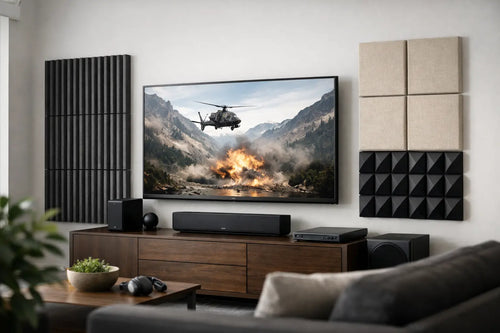
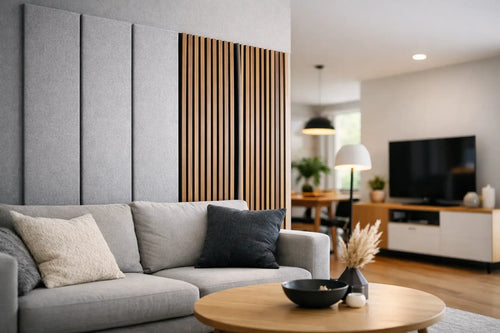
Texture is often the fastest route there. Acoustic slatted panels introduce vertical rhythm and a natural wood effect, bringing softness to a lounge, bedroom or media-wall area. PVC boards offer a sleeker, more contemporary surface and work particularly well where a crisp, easy-clean finish is the priority. Both options can look far more expensive than their fitting time suggests when the joins, edges and surrounding décor are planned properly.
Lighting matters just as much. A warm lamp, wall light or carefully placed LED glow can draw out the grain and shadow between slats. Cool, harsh lighting can make even a beautiful finish look flat, so view samples and finishes in the room at different times of day before making a final choice.
The surrounding space also has a role. A feature wall looks most convincing when it echoes another element in the room, such as black furniture legs, bronze handles, oak flooring or soft neutral textiles. Matching everything exactly is not necessary. Picking up one or two tones is enough to make the scheme feel pulled together.
Choose the Right Wall Before You Choose the Panels
The wall behind a television, bed or dining table is an obvious starting point because it already has a purpose. Panelling it gives that zone more presence without competing with the rest of the room. In a hallway, the wall facing the front door can create a strong first impression, while a narrow alcove can become a feature rather than an awkward gap.
There is a trade-off. A dark finish on a large wall can feel dramatic and cocooning, but it may make a compact north-facing room appear smaller. Lighter oak, pale grey or warm neutral tones usually keep the space brighter while still adding texture. If you love a deeper colour, use it behind a bed or television unit where furniture naturally breaks up the surface.
Avoid selecting the biggest wall simply because it is available. If it is crowded with doors, radiators, switches and mismatched furniture, the finished effect may feel busy. A smaller, cleaner wall often delivers a more polished result.
Think about what the wall needs to do
A media wall needs a plan for cables, sockets and the television bracket before panels go up. A bedroom wall needs enough visual calm for the room to remain restful. A hallway wall needs a finish that will stand up to coats, bags and everyday movement. The right material and layout depend on the job, not just the photograph that inspired it.
For renters, permitted decorative upgrades should be easy to remove or agreed with the landlord in advance. Always check the fixing method, the condition of the wall and your tenancy terms before starting.
Acoustic Slats or PVC Boards?
Acoustic slatted wall panels are a strong choice when you want warmth, depth and a modern architectural feel. Their vertical lines can make lower ceilings appear taller, especially when panels run from skirting to ceiling. They are particularly effective behind wall-mounted televisions, beds with simple upholstered headboards and dining benches.
The acoustic backing can also help reduce echo in rooms with hard floors and minimal soft furnishings. It will not soundproof a room or stop noise travelling through walls, but it can make a lounge, home office or open-plan space feel less sharp and hollow. That practical benefit is worth considering if the room is lively as well as stylish.
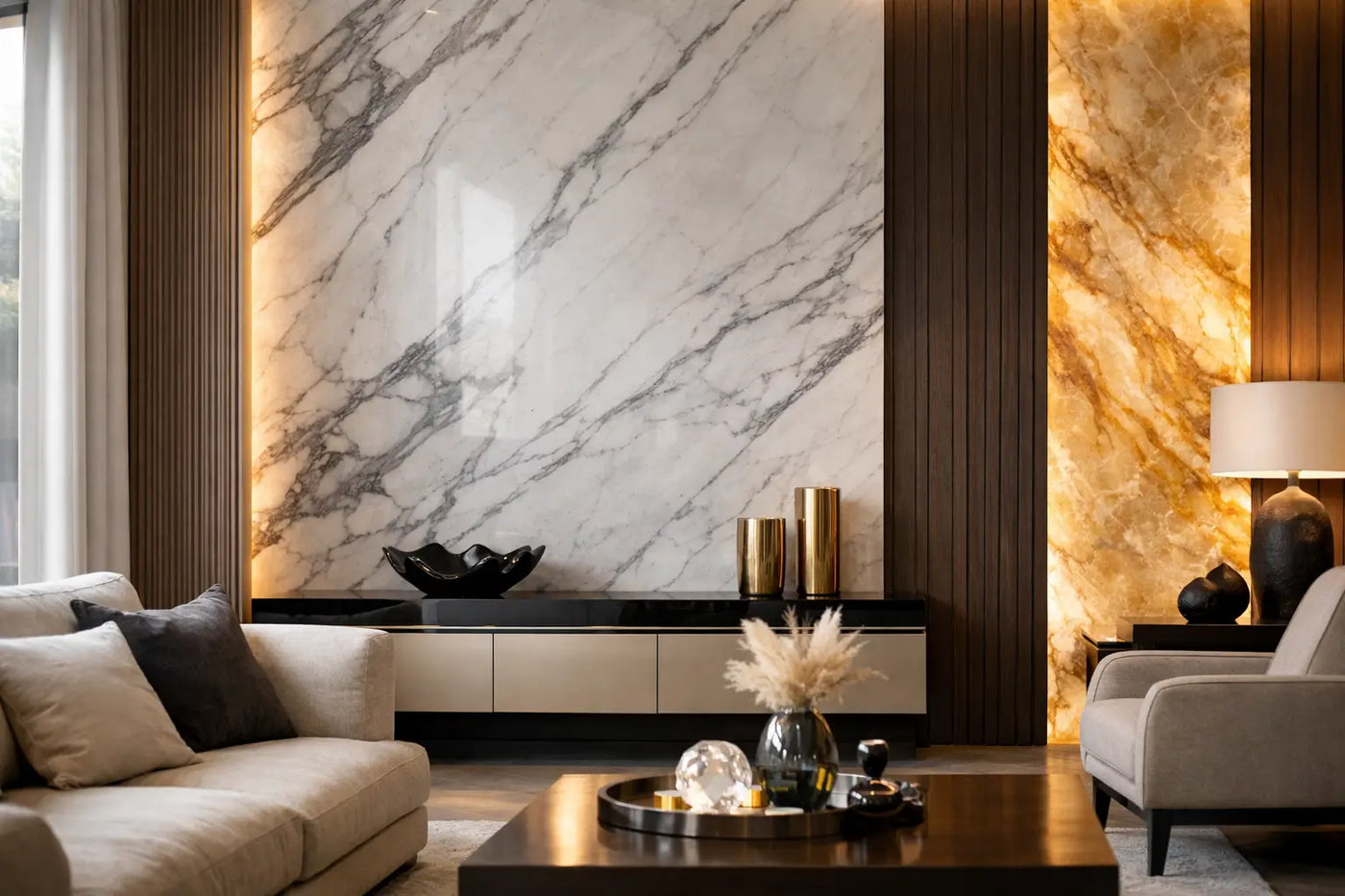
PVC wall boards suit projects where a smooth, low-maintenance surface matters most. They can bring a sleek stone, marble or contemporary decorative effect to bathrooms, kitchens and utility areas, depending on the board specification and the installation requirements. They are also a sensible option for anyone who wants a striking finish without the upkeep associated with grout lines or painted walls.
Neither material is automatically the more luxurious choice. Slats bring visual warmth and shadow. PVC boards bring clean lines and an easy-care surface. Choose based on the room's light, use and existing finishes rather than following a trend blindly.
Plan the Details That Make the Difference
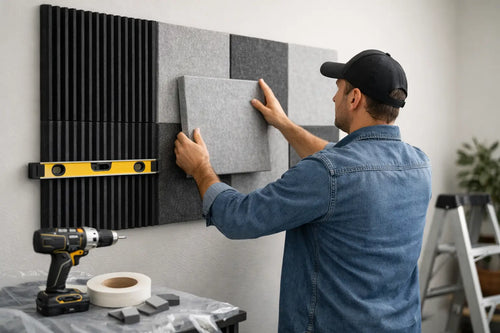
The difference between a DIY project that looks good and one that looks professionally finished is usually found at the edges. Measure the wall at several points, not just across the middle. Walls are not always square, particularly in older properties, and a few millimetres can affect how the final panel lands beside a corner or ceiling.
Decide where you want full panels and where cuts will be least noticeable. It is often better to place narrower cut pieces at the outer edges than to create an awkward sliver in the middle of the wall. On a television wall, centre the layout on the TV or unit rather than the wall itself if those are the visual focal points.
Use trims where appropriate. A clean perimeter gives panels a deliberate, built-in appearance and helps conceal small inconsistencies at the wall edge. Select matching or complementary trims instead of treating them as an afterthought.
Before fitting, make sure the surface is clean, dry and reasonably sound. Remove loose wallpaper, flaky paint and anything that will prevent adhesive or fixings from holding securely. Check for pipes and cables before drilling, and allow panels to acclimatise in the room if the manufacturer's fitting guidance recommends it.
Home Hub Direct supplies a free installation guide with every order, giving DIY customers a clear route from measuring to finishing. If you are unsure about a particular wall, ask for guidance before cutting. A quick check can prevent wasted material and a frustrating second order.
Keep the Styling Controlled
Once the wall is finished, resist the urge to cover it. Luxury feature walls need space to be seen. A low media unit, a single large artwork, bedside pendants or a restrained shelf can work beautifully. Multiple small frames, shelves and ornaments may hide the panel detail that made the wall special in the first place.
Aim for contrast with restraint. Dark slats can look striking with pale walls, textured cream cushions and brushed-metal lighting. Lighter timber finishes pair well with charcoal, forest green, terracotta or black accents. If your room already has patterned wallpaper, bold carpet or colourful furniture, a quieter panel finish will usually give a better result.
The same principle applies outdoors. Composite cladding or fencing can frame a garden seating area, create privacy around a patio or give an exterior wall a more contemporary feel. Choose a finish that works with decking, planting and the property's brickwork. Outdoor upgrades need materials designed for exterior conditions, not indoor panels repurposed for the job.
Make the Investment Work Harder
A feature wall can refresh a room before sale, make a rental more appealing or simply help you enjoy the home you already have. Its value is not only in the panel itself. It is in the sense of finish it brings to a space that previously felt plain.
Start with the wall you notice most, choose a finish that you will still like in a few years and give the installation the care it deserves. One well-planned wall can make the whole room feel more complete - no major building work required.