A bare living room can look finished yet still feel oddly harsh. Voices bounce, the television sounds louder than it should, and every video call carries a little too much room noise. So, are acoustic wall panels worth it? For many homes, yes - particularly when you want a high-end feature wall that also makes a space feel calmer and more comfortable.
The value is not just in the sound. Slatted acoustic panels bring depth, warmth and a tailored look to a wall that might otherwise need costly joinery or a disruptive renovation. The key is knowing what they can improve, where they work best and what to expect before you order.
Are acoustic wall panels worth it for everyday living?
Acoustic wall panels are usually worth the investment when you have two goals: improving the look of a room and reducing some of its echo. They are especially effective in modern homes with hard floors, large windows, plastered walls and minimal soft furnishings - all the surfaces that allow sound to reflect around the room.
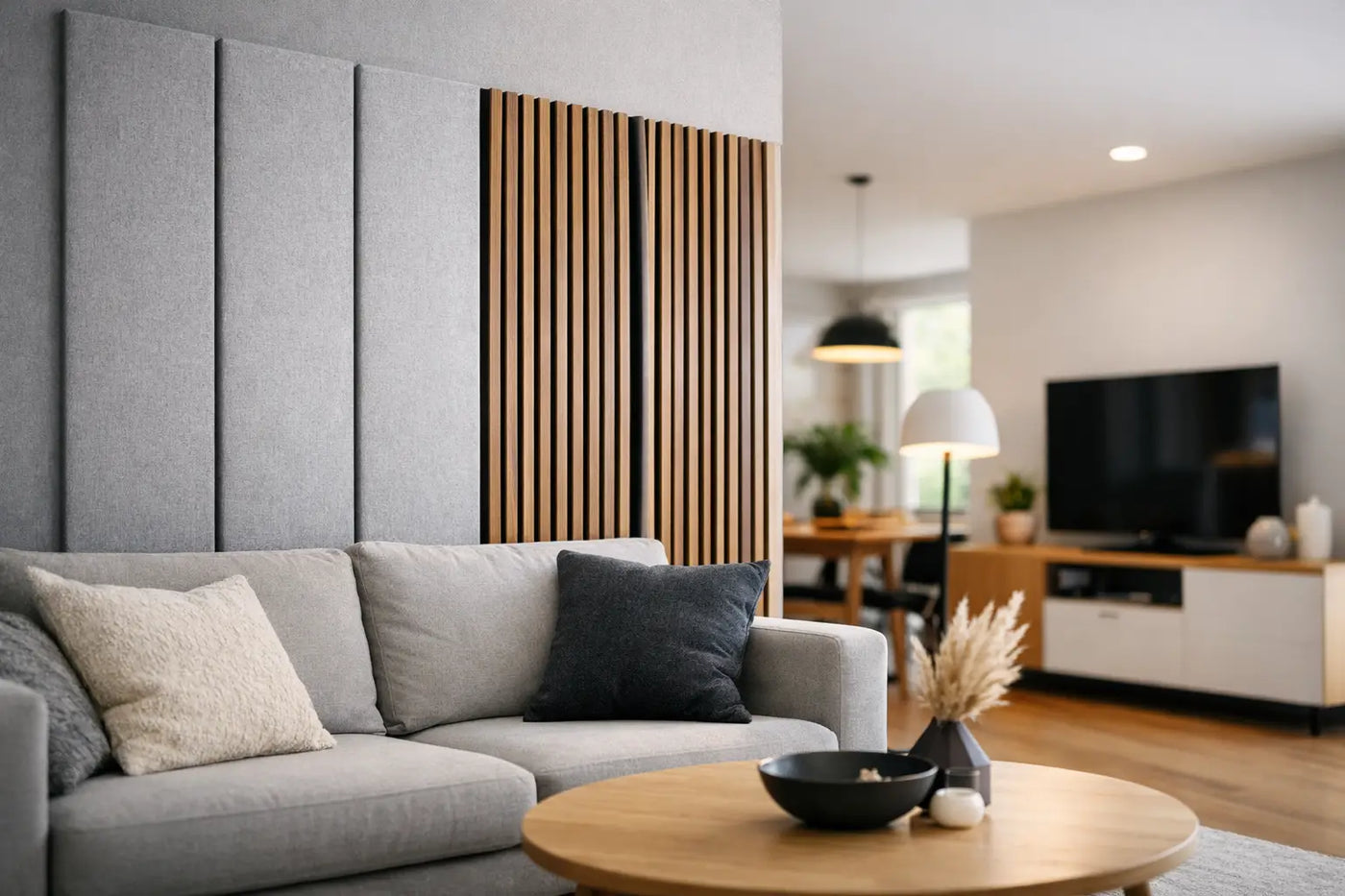
A slatted acoustic panel combines decorative wood-look slats with an absorbent felt backing. The slats create a striking linear finish, while the backing helps absorb part of the sound energy that would otherwise bounce back into the room. The result is often a more settled acoustic feel: less sharp reverberation, clearer conversation and a cosier atmosphere.
That makes them a practical choice for a TV wall, dining space, home office, bedroom or hallway. Rather than buying a purely decorative wall covering and then trying to solve the echo separately, you get both benefits from one project.
The return is also visual. A full feature wall can make an ordinary room feel more considered, while a smaller panelled section behind a desk, bed or television creates an intentional focal point without taking over the space.
What acoustic panels can and cannot do
It helps to set the right expectation. Acoustic panels improve acoustics within a room. They are not the same as soundproofing.
If your living room has a noticeable echo, panels can reduce the reflected sound and make the room feel less noisy. If you are filming content, working from home or watching films, that improvement can be immediately noticeable. In a bedroom, they can soften the feel of a space with laminate flooring, fitted wardrobes and few fabrics.
They will not, however, stop loud music travelling through a party wall, block road noise coming through a window or prevent upstairs footsteps. Those problems require soundproofing measures such as improved insulation, acoustic flooring systems, sealed gaps or specialist wall construction.
This distinction matters because it keeps the project proportionate. Choose acoustic wall panels to enhance comfort and control echo while adding a premium finish. Choose dedicated soundproofing if your main priority is stopping noise entering or leaving the room.
The rooms where panels make the biggest difference
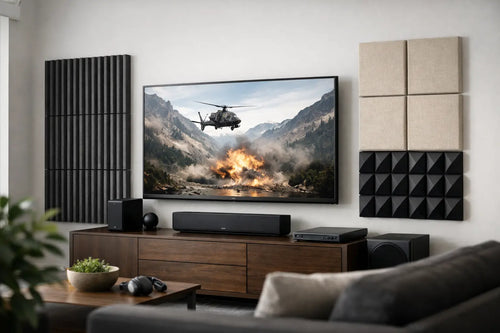
The best location is often the wall you naturally look at first. Behind a television, panels can frame a media wall and reduce the flat, empty look of a large screen on a plain wall. Behind a bed, they create a hotel-inspired headboard effect without the cost and permanence of bespoke timberwork.
Home offices are another strong choice. Hard surfaces and computer audio can make calls feel tiring over a long day. A panelled wall behind or opposite your desk can reduce some reverberation while giving your video-call background a cleaner, more professional appearance.
Dining rooms and open-plan spaces also benefit. These areas often have practical but sound-reflective finishes such as tiled or timber-effect floors, kitchens and wide glazing. A run of panels on one wall adds texture and helps take the edge off the room’s liveliness when family and guests are together.
Hallways are more about design than acoustics, but that is still a valid reason to fit them. A narrow entrance can feel warmer and more welcoming with a vertical slatted feature, especially when paired with hooks, a bench or gentle wall lighting.
When the cost is justified
Whether panels are good value depends on what you would otherwise spend to achieve the same result. Painting a wall costs less, of course, but it will not add texture or support better room acoustics. Bespoke joinery, timber battens and professional fitting can create a similar visual style, but the cost and time involved can climb quickly.
Ready-to-fit acoustic panels sit in a useful middle ground. They deliver a polished, design-led finish with a more manageable budget and a DIY-friendly route to installation. For a homeowner updating one key wall rather than renovating an entire room, that can make the difference between a project that happens now and one that stays on the wish list.
They can also add appeal before a sale or letting. A well-finished media wall, bedroom feature or entrance area photographs well and helps a property feel cared for. It is not a guarantee of a higher valuation, but it can make a room more memorable to prospective buyers or tenants.
The investment is most worthwhile if you choose a finish that suits the room for the long term. Warm oak-style tones work beautifully with neutral schemes, while darker slats can add contrast in spacious, light-filled rooms. Order enough panels for a balanced composition, rather than stopping at an awkward width that makes the wall look unfinished.
The trade-offs to consider before buying
Panels are low-fuss, but they are not a universal answer. In a heavily furnished room with thick curtains, rugs, upholstered seating and bookshelves, the acoustic improvement may be subtle because the room already has plenty of sound-absorbing surfaces. You may still choose them for the look, but the sound benefit will be a bonus rather than a transformation.
They also need thoughtful positioning. A dark finish across every wall can make a small room feel enclosed, and too many vertical lines can compete with busy wallpaper, open shelving or strong patterned furnishings. One well-chosen feature wall is often more effective than panel coverage everywhere.
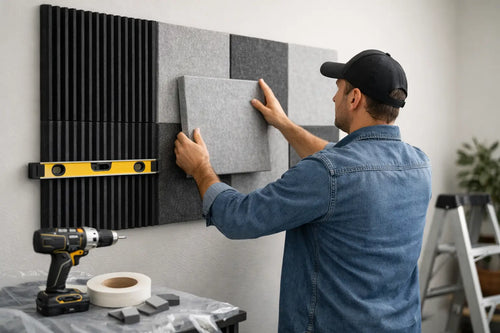
Fitting quality matters too. Measure carefully, plan where cuts will fall and make sure the wall is clean, dry and sound before installation. Take extra care around sockets, switches and wall-mounted TVs. If you are creating a media wall, decide on cable routes and bracket positions before the panels go up, not afterwards.
For renters, always seek permission before fitting anything with adhesive or fixings. Some installations may leave marks when removed, and return policies typically apply only to unused products, so it is worth confirming your measurements, finish and quantity first.
How to get the best result from acoustic wall panels
Start with the room’s main problem. If it feels echoey, position panels on a large reflective wall rather than hiding them behind bulky furniture. If the priority is appearance, choose the wall that frames the room’s natural focal point - the bed, television, dining table or entrance.
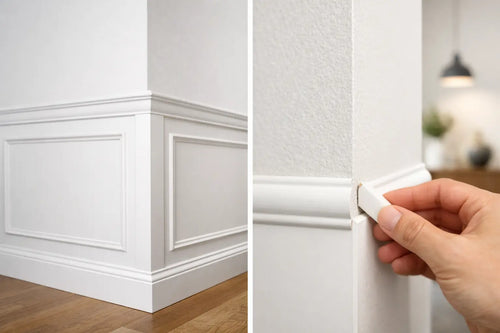
Then consider scale. Covering a full wall delivers the strongest visual impact and more surface area for sound absorption. A partial section is ideal for a smaller budget or a defined zone, such as behind a desk. Keep margins and panel spacing deliberate, and use matching trims where needed for a neat edge.
Finally, pair the panels with a few softer elements. A rug, curtains, cushions and upholstered furniture all work alongside acoustic panels to create a noticeably more comfortable room. You do not need to turn your home into a recording studio; you simply want the space to look good and sound easier to live in.
Home Hub Direct makes this type of upgrade more approachable with ready-to-order finishes, DIY-focused installation guidance and UK-based support when you need a little reassurance before fitting.
A smart upgrade when the room needs more than paint
Acoustic wall panels are worth it when you value design and day-to-day comfort in equal measure. They will not replace professional soundproofing, but they can reduce unwanted echo while giving a room the depth and finish that paint alone cannot provide.
Choose a wall with purpose, measure twice and let the panelled area complement the rest of the room. A considered feature wall can make your home feel quieter, warmer and far more like your own.